
Detects motion and speed using Doppler radar (used in speed guns).
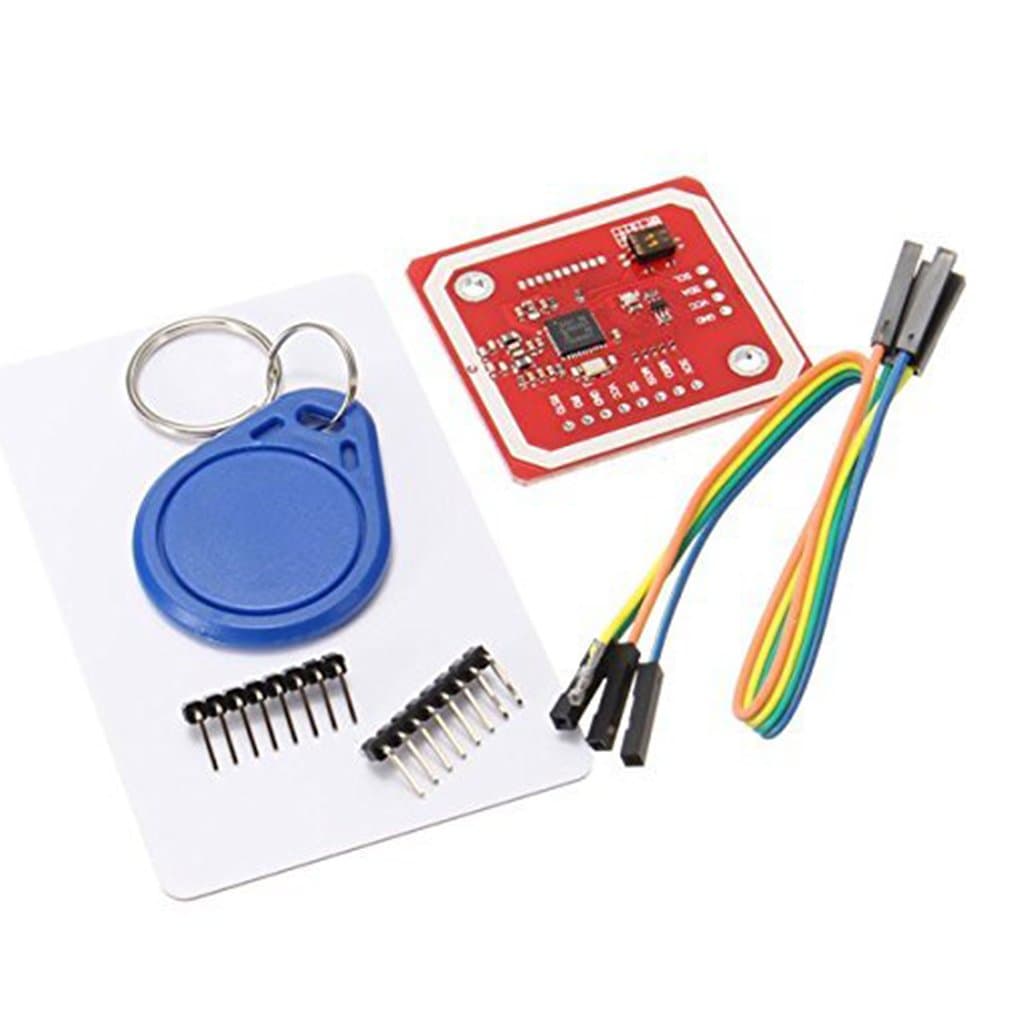
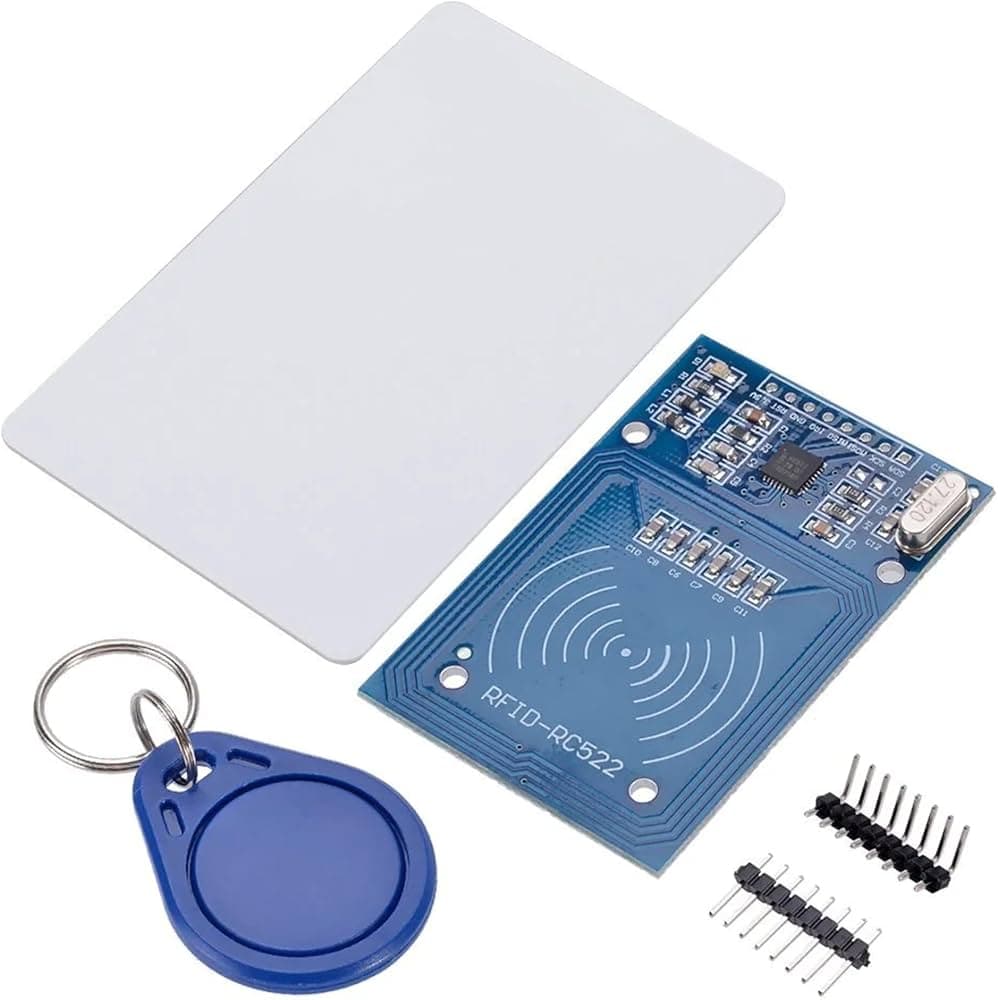
Short-range wireless communication (used in mobile payments, smart cards).

A Keypad module is a matrix-based input device used to enter numbers or commands into a system.
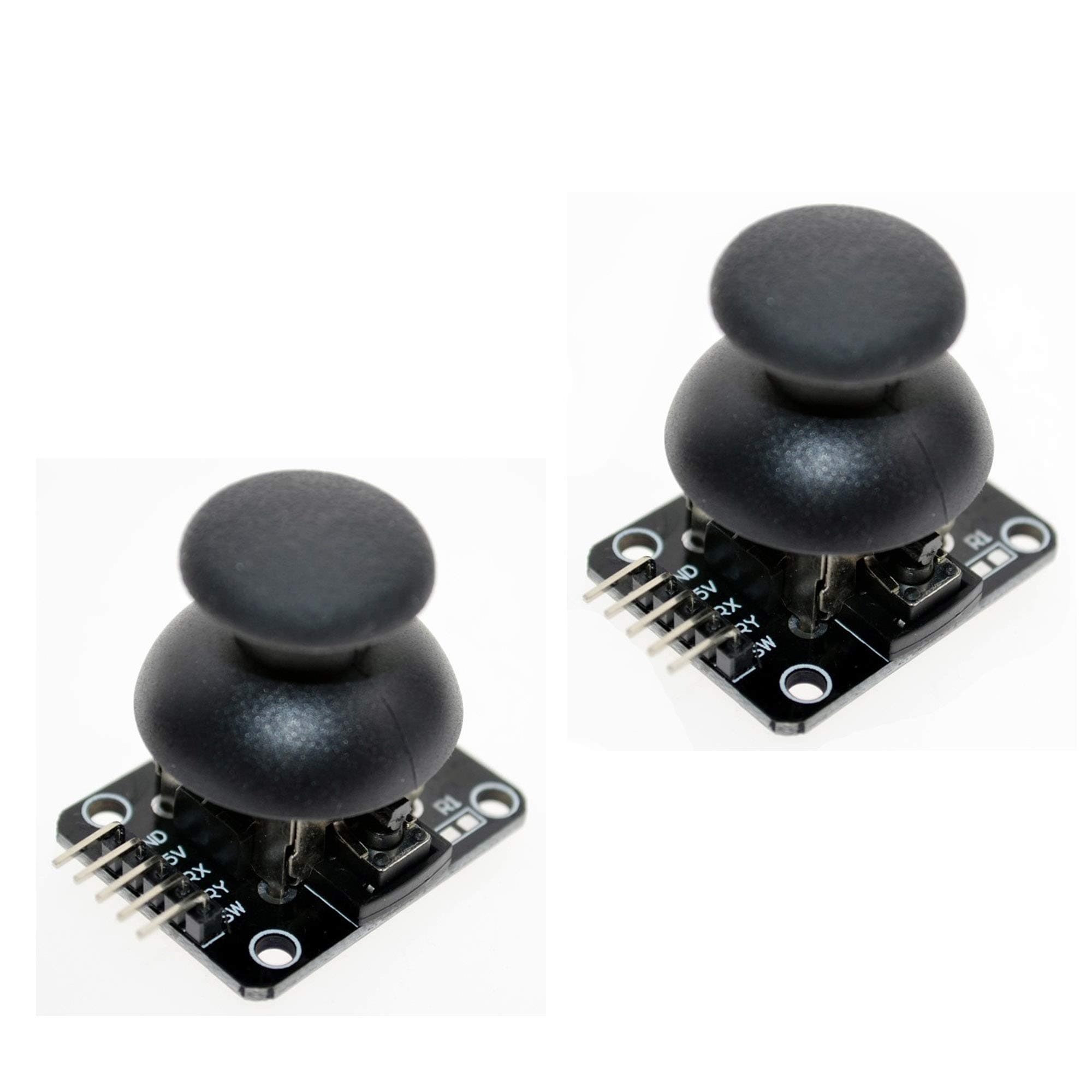
The Joystick Module (commonly KY-023 / PS2 joystick) is an analog input device used to control movement in two directions (X and Y axes).
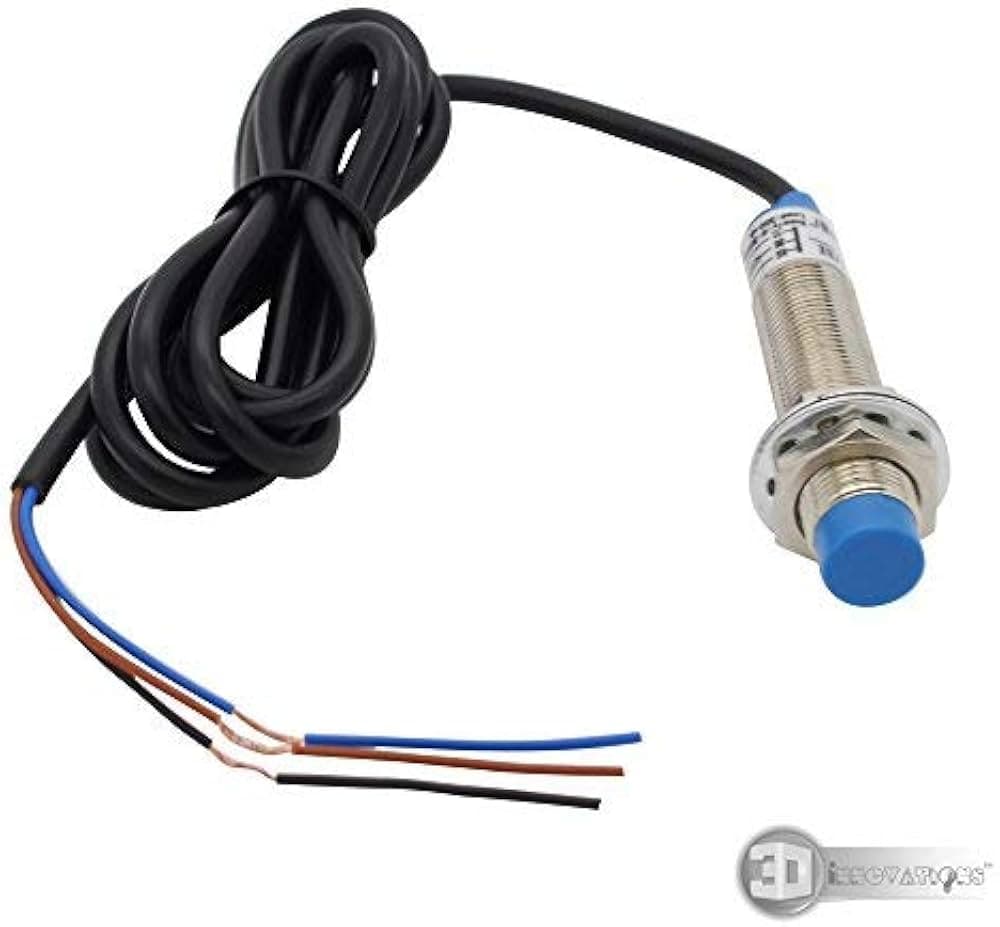
An Inductive Proximity Sensor is used to detect metal objects without physical contact. 👉 It detects: 🧲 Iron, steel, aluminum, copper (metal only)
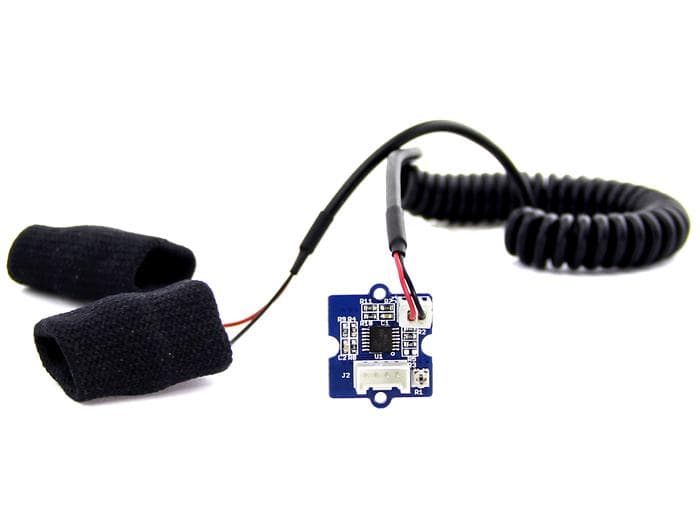
The GSR sensor measures Galvanic Skin Response, which is the electrical conductance of the skin. 👉 It detects: 😓 Sweat / skin moisture changes 🧠 Emotional states (stress, excitement) ⚡ Nervous system activity
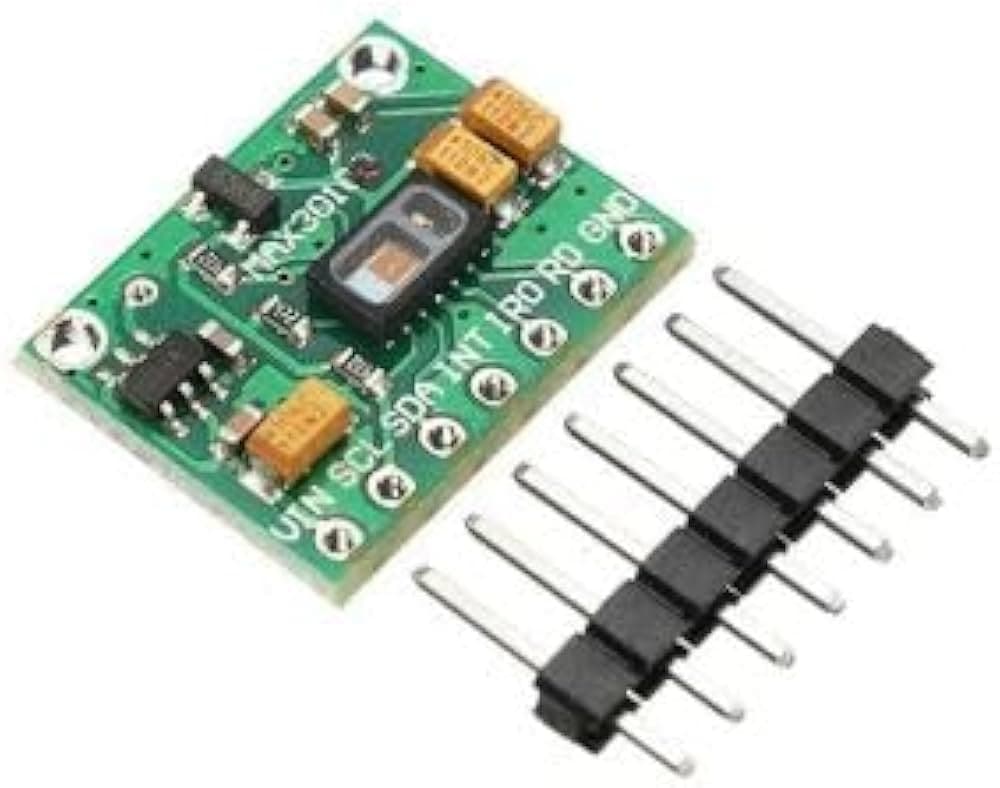
The MAX30102 is a compact pulse oximeter and heart-rate sensor
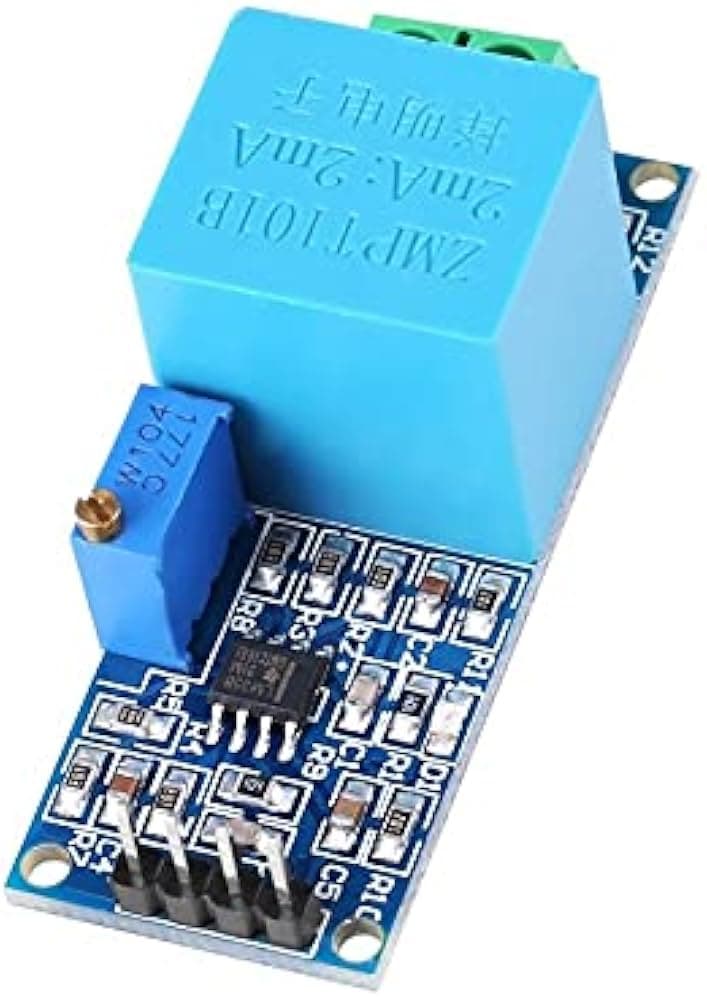
The ZMPT101B is a single-phase AC voltage sensor module used to measure AC mains voltage safely

The INA219 is a high-side current and power monitoring sensor used to measure: ⚡ Current (A) 🔋 Voltage (V) 🔌 Power (W)
A laser module (commonly KY-008) is a small device that emits a focused laser beam (red light).
The MAX9814 microphone module is a high-quality analog microphone with built-in Automatic Gain Control (AGC).
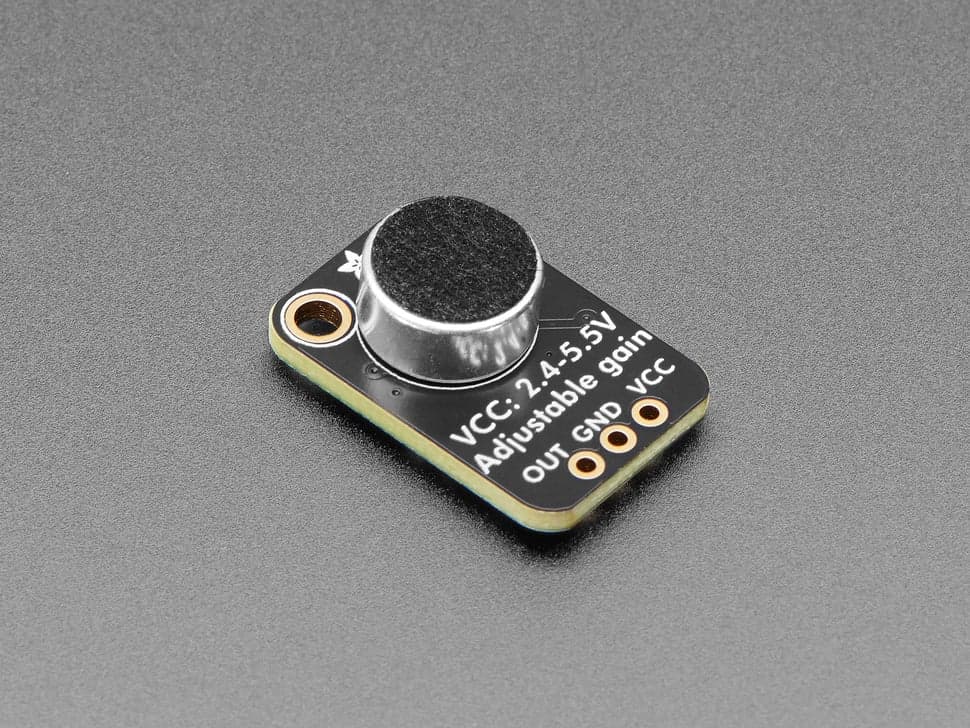
The MAX4466 microphone module is a high-quality analog microphone amplifier used to capture and amplify sound signals.

The vibration sensor (commonly SW-420 module) is used to detect vibration, shock, or movement.

https://www.voltaat.com/cdn/shop/products/voltaat-tilt-sensor-module-ball-switch-13814100000870_1024x1024.jpg?v=1628443092

The LIS3DH is a 3-axis digital accelerometer developed by STMicroelectronics. It is used to measure acceleration, tilt, and motion in three directions (X, Y, Z).
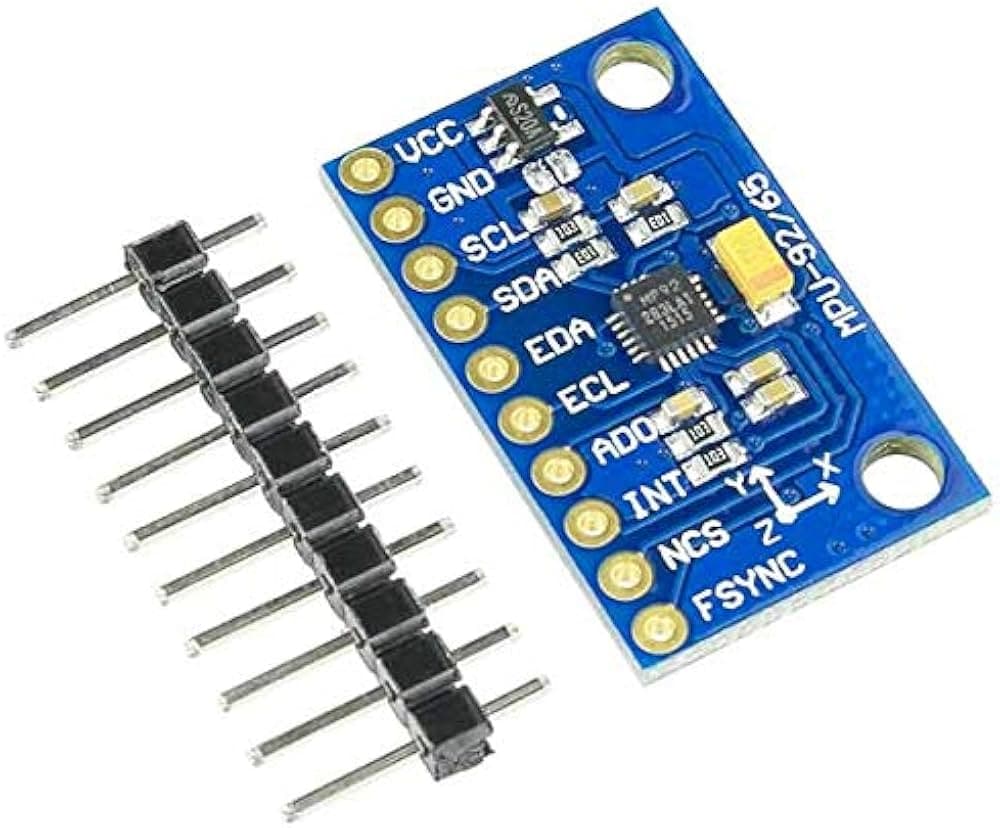
The MPU9250 is a 9-axis motion tracking sensor (IMU – Inertial Measurement Unit) used to measure movement and orientation in 3D space.

The VL53L1X is an advanced laser-based distance sensor (ToF – Time of Flight) developed by STMicroelectronics. It measures distance by calculating the time taken by a laser pulse to reflect back from an object.
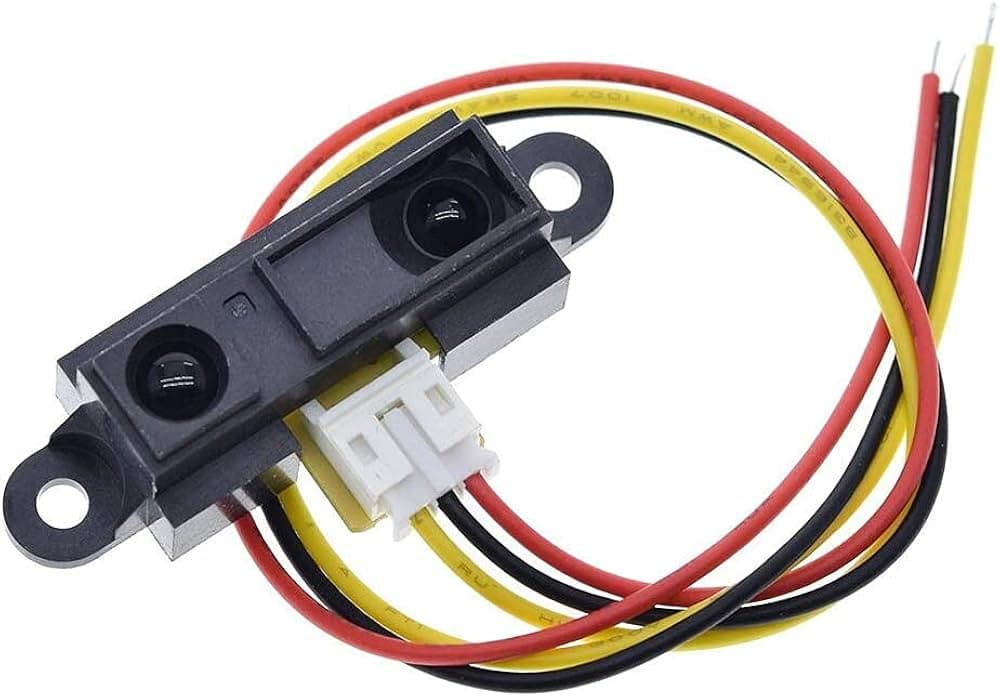
The Sharp IR sensor is a popular infrared distance measuring sensor used in Arduino and robotics projects for obstacle detection and distance measurement
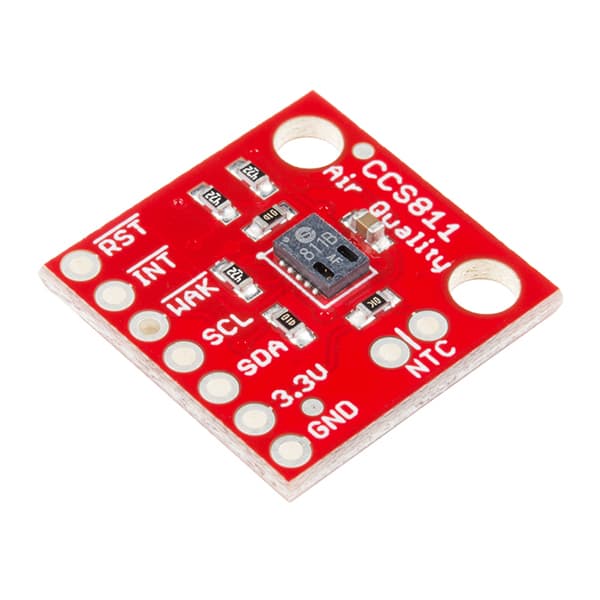
The CCS811 is a digital air quality sensor designed to measure indoor air pollution.

The MQ-9 is a multi-gas sensor designed to detect both Carbon Monoxide (CO) and combustible gases like LPG and Methane

The MQ-7 is a gas sensor specifically designed to detect Carbon Monoxide (CO) in the air. It is widely used in safety systems, air quality monitoring, and IoT projects.

The MQ-135 is a popular air quality / gas sensor used to detect various harmful gases in the environment
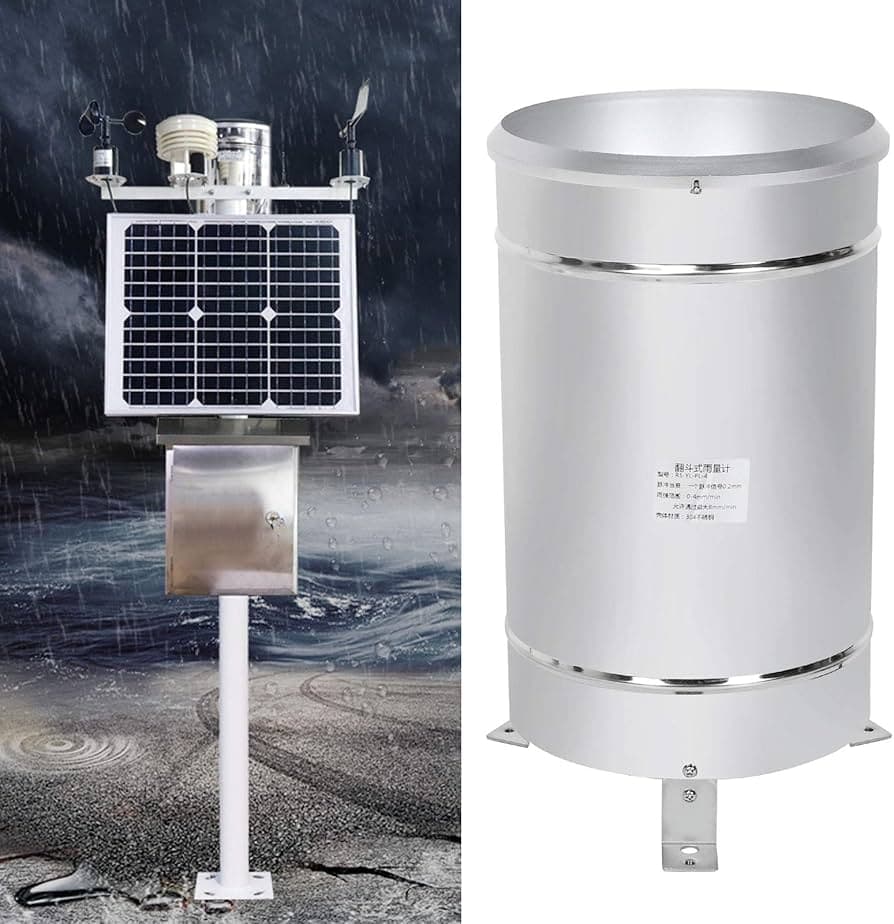
A rain gauge sensor is used to measure the amount of rainfall (precipitation) over a period of time. It is an important sensor in weather stations, agriculture, and environmental monitoring systems.
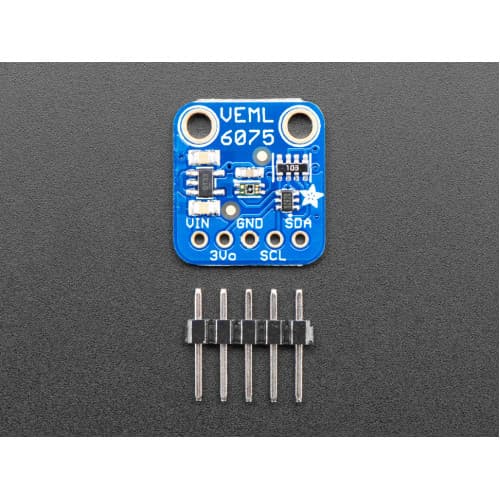
The VEML6075 is a digital ultraviolet (UV) light sensor designed to measure UV radiation intensity.

The DS3231 RTC module is a highly accurate Real-Time Clock (RTC) used to keep track of date and time even when power is off.
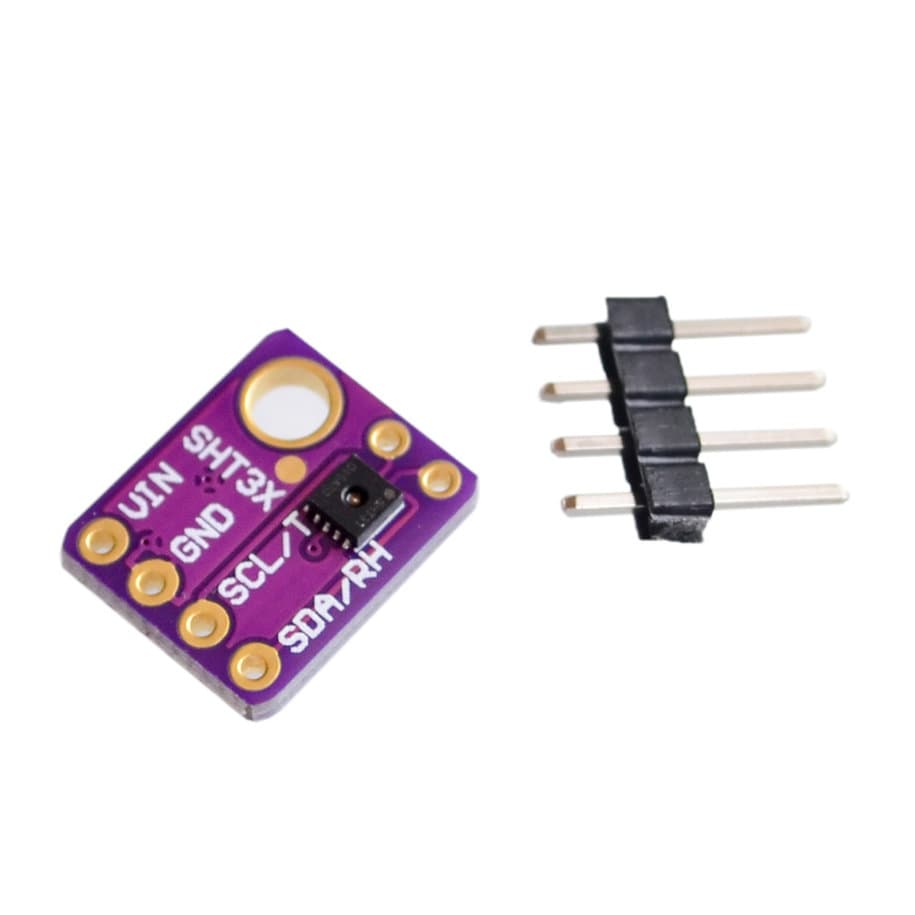
The SHT31 is a high-precision temperature and humidity sensor developed by Sensirion. It is part of the SHT3x series and is known for its excellent accuracy, fast response, and reliability.
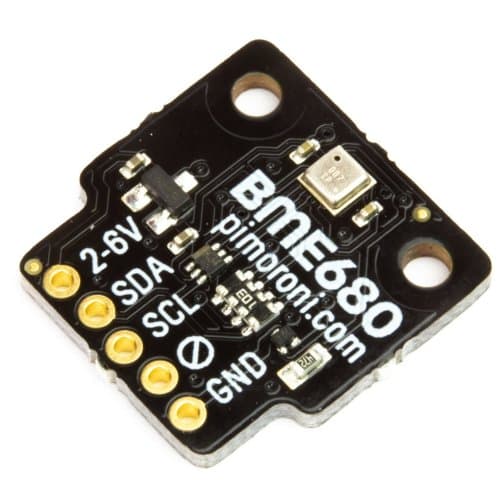
The BME680 is a compact digital environmental sensor module developed by Bosch. It integrates four sensing capabilities in a single device: 🌡️ Temperature measurement 💧 Humidity sensing 🌬️ Barometric pressure measurement 🌫️ Gas sensing (VOC detection for air quality)
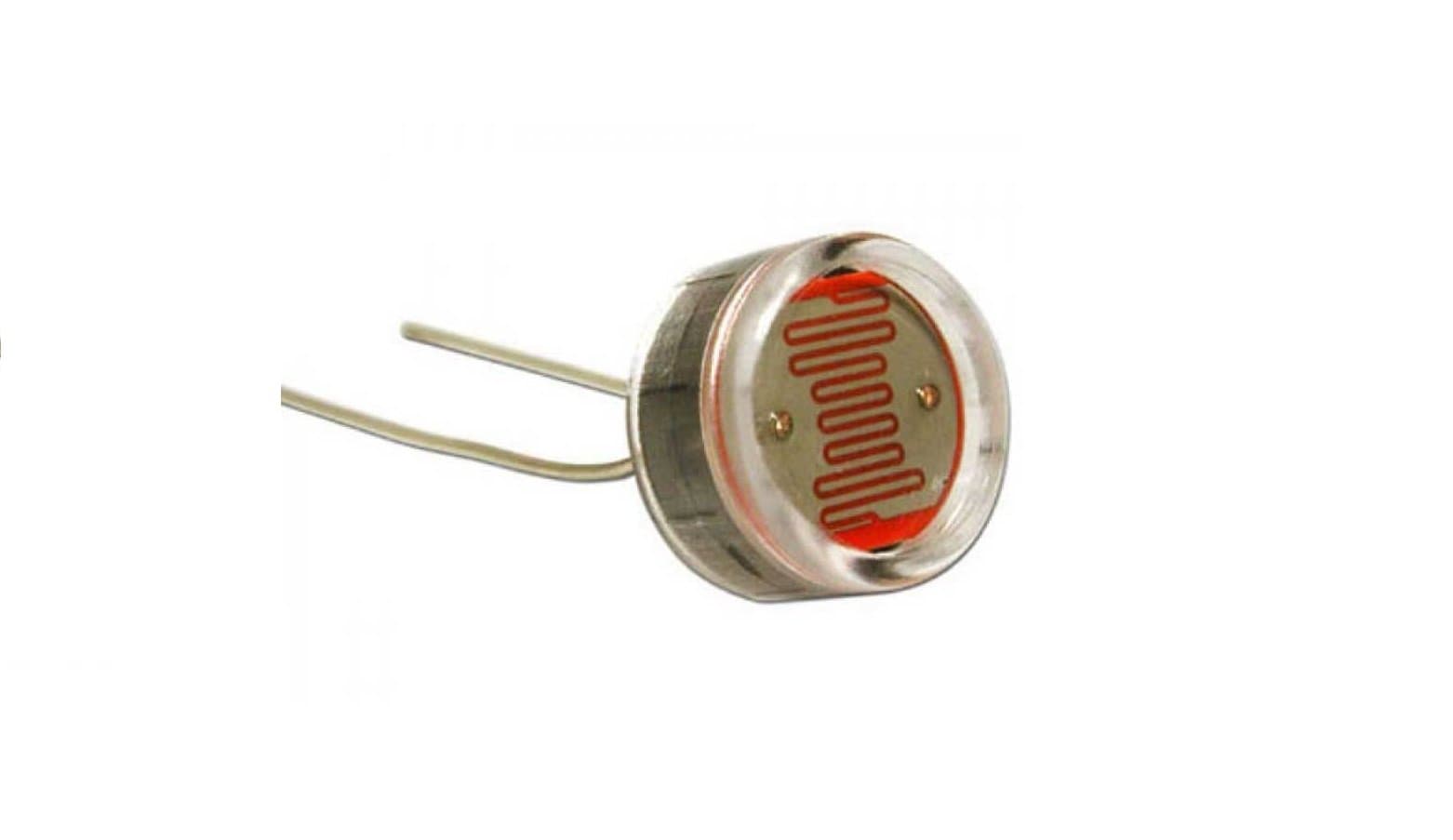
LDRs change their resistance in response to light intensity. They are widely used in light-sensitive devices like streetlights and burglar alarms.
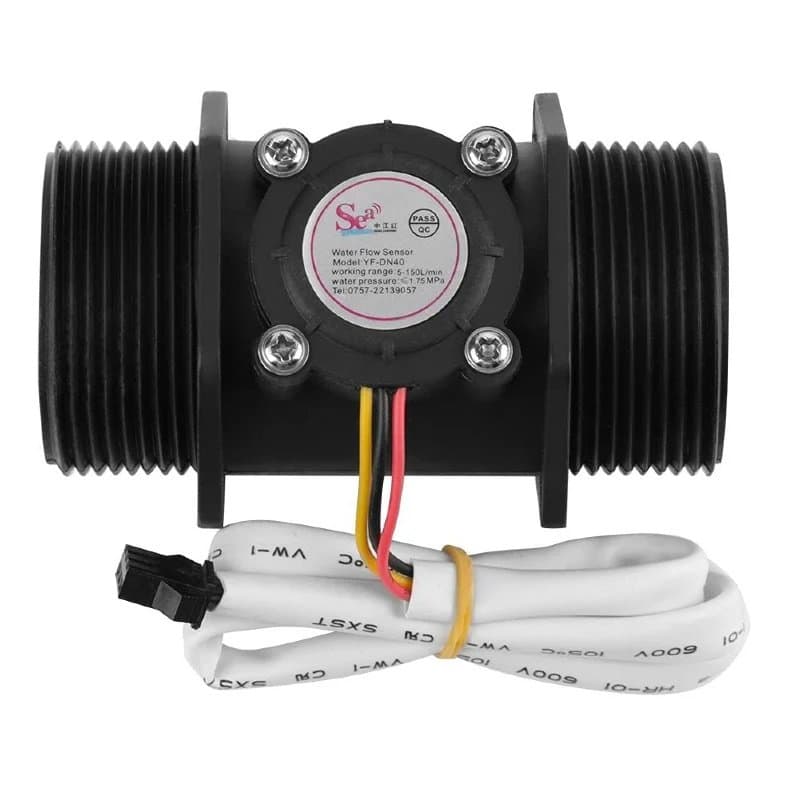
This sensor detects the volume or mass of a liquid or gas passing through it over time, typically providing output in liters per minute (L/min) or cubic meters per hour. It may use methods such as turbine rotation, differential pressure, or ultrasonic waves to measure flow. Flow sensors are commonly used in water dispensers, irrigation systems, HVAC units, medical equipment, and industrial fluid control. They are essential for monitoring usage, detecting leaks, and ensuring efficient and safe operation in fluid systems. YF-S201: Measures liquid flow rates with pulse output proportional to the flow. Pinout: VCC – Connects to a 5V power supply GND – Ground connection OUT – Pulse output
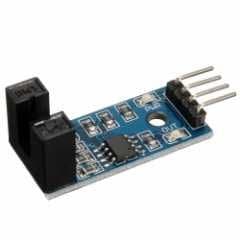
This sensor detects how fast an object is rotating, usually by counting pulses generated by a rotating component such as a gear, magnet, or optical encoder. The output is typically in revolutions per minute (RPM).
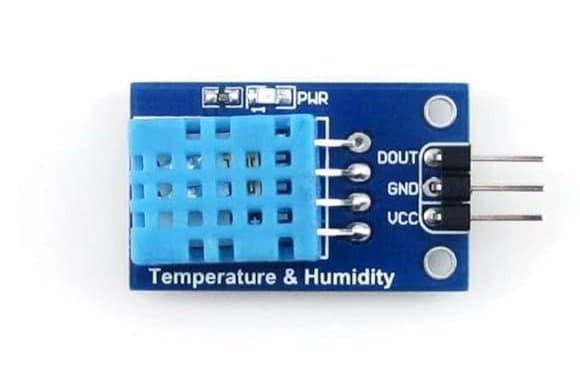
These sensors provide environmental data by detecting ambient temperature and the amount of moisture in the air. They are essential for weather stations, HVAC systems, greenhouses, and IoT-based environmental monitoring.
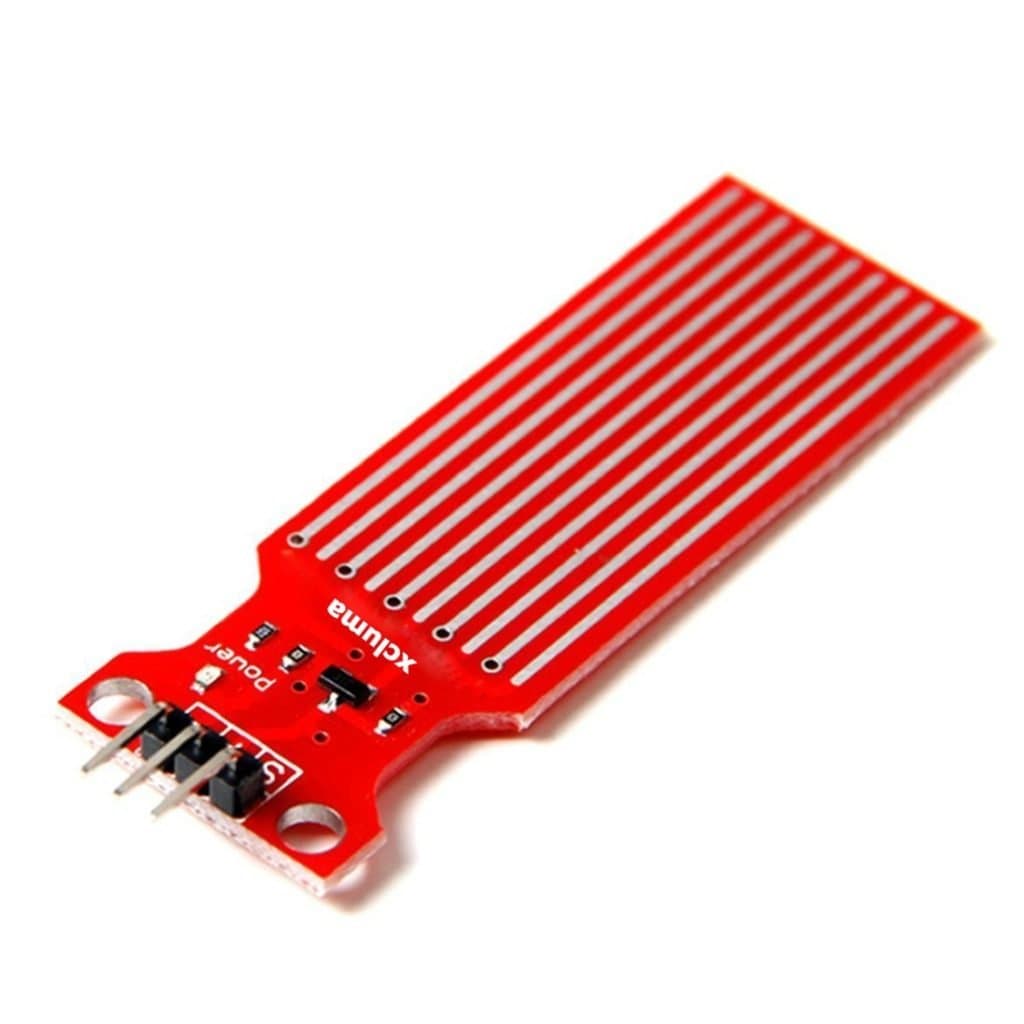
This water sensor detects the liquid level in tanks or containers. Commonly used in automatic water pumps, tank level monitoring, and home automation for water level detection and control. Pinout: Water level sensor pinout VCC – Connects to a 3.3V or 5V power supply GND – Ground connection S – Analog output
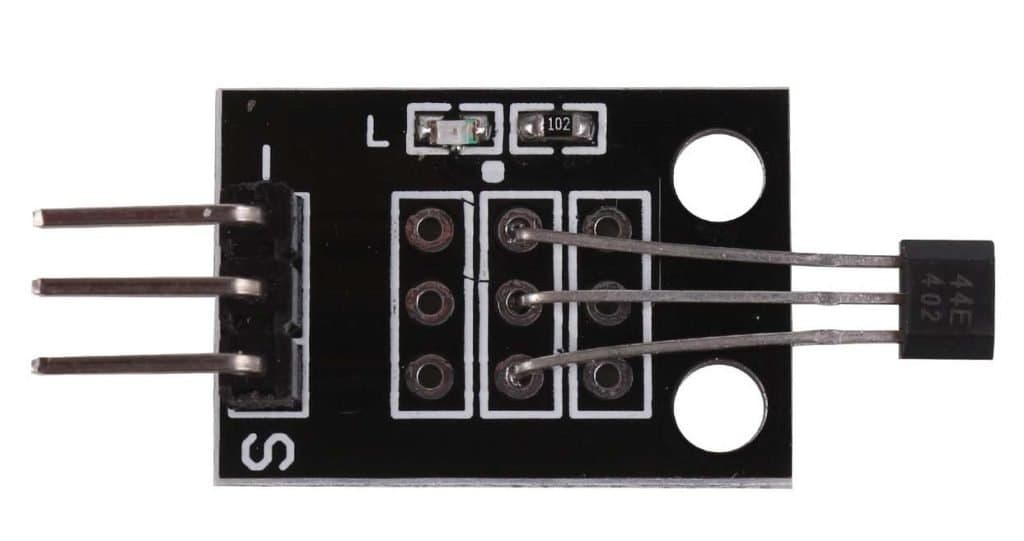
This sensor operates based on the Hall effect principle, generating a voltage when exposed to a magnetic field. It can detect the presence, strength, and polarity of magnetic fields, making it ideal for non-contact position and speed detection. Hall effect sensors are widely used in automotive systems (like crankshaft and wheel speed sensors), brushless DC motor control, proximity sensing, and magnetic encoders. They offer reliable, durable performance in harsh environments due to their solid-state nature. A3144: A digital Hall Effect sensor used in motor speed detection. Pinout: VCC – Connects to a 5V power supply GND – Ground connection OUT – Digital output
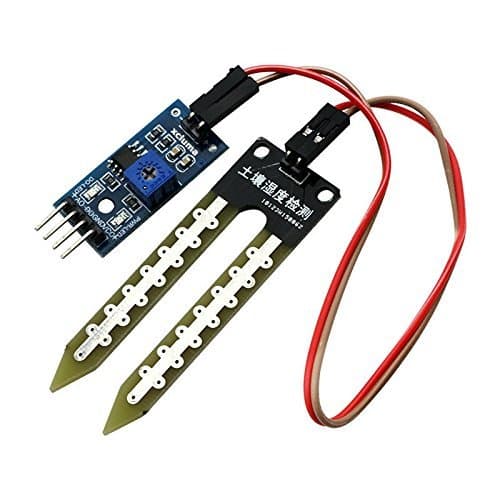
Soil moisture sensor measures the volumetric water content by detecting changes in soil conductivity or capacitance. It helps determine whether the soil is dry, moist, or wet, making it ideal for irrigation control and agricultural monitoring.
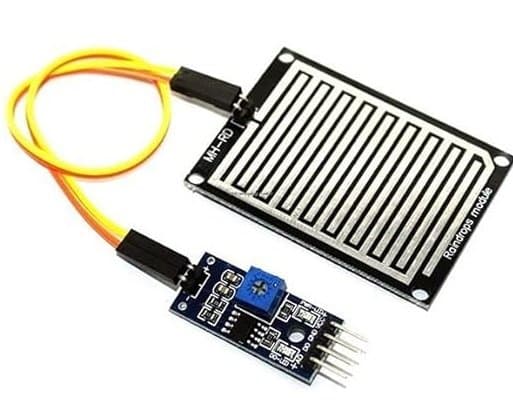
This sensor identifies moisture on its surface using a conductive grid that changes resistance when wet. It provides a digital or analog signal to indicate rainfall, allowing systems to respond accordingly.
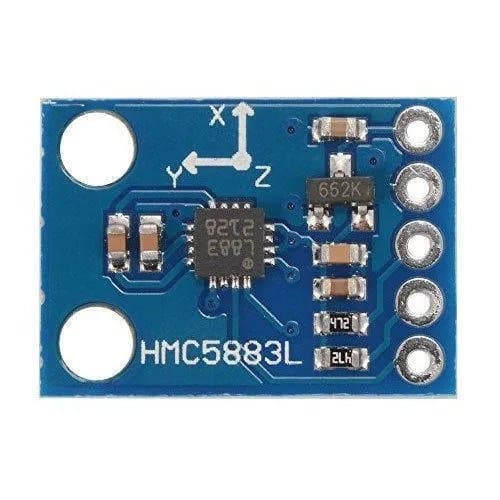
This sensor detects magnetic flux density and outputs data corresponding to the intensity and orientation of the magnetic field. It typically uses the Hall effect or magnetoresistive principles to sense changes in magnetic fields. Magnetic field sensors are used in compasses, position and speed detection, current sensing, and proximity detection. They are essential in applications such as navigation systems, robotics, automotive systems, and electronic compasses for determining direction and orientation. Pinout: VCC – Connects to a 3.3V or 5V power supply GND – Ground connection SCL – I2C clock line SDA – I2C data line
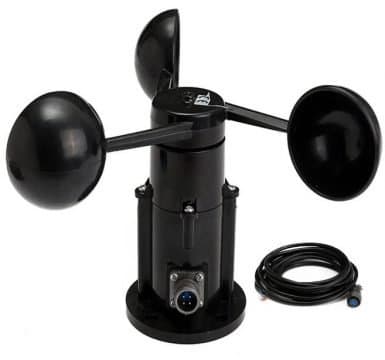
An anemometer detects the movement of air and provides wind speed readings, typically in meters per second (m/s) or kilometers per hour (km/h). It operates using rotating cups, ultrasonic waves, or pressure differences, depending on the type.
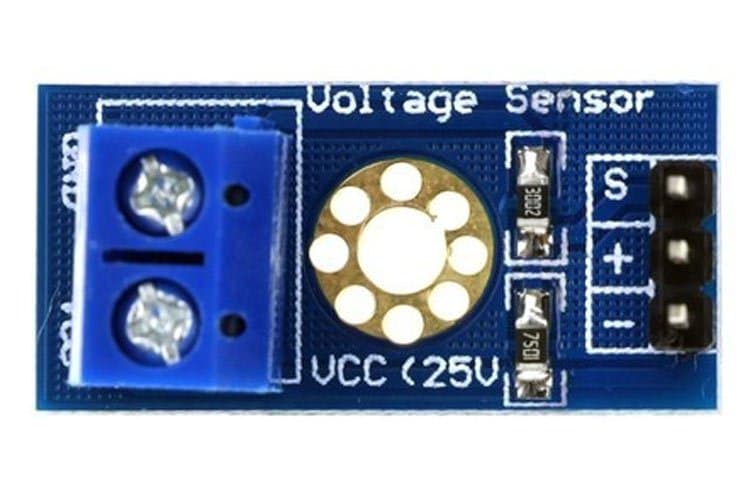
Voltage divider This sensor detects voltage levels and converts them into a scaled analog or digital signal suitable for microcontroller input. It often uses a voltage divider or isolation circuitry to safely monitor higher voltages. Voltage sensors are commonly used in battery monitoring, power supply diagnostics, energy management systems, and industrial automation. They provide crucial feedback for ensuring proper operation, detecting faults, and protecting electronic components.
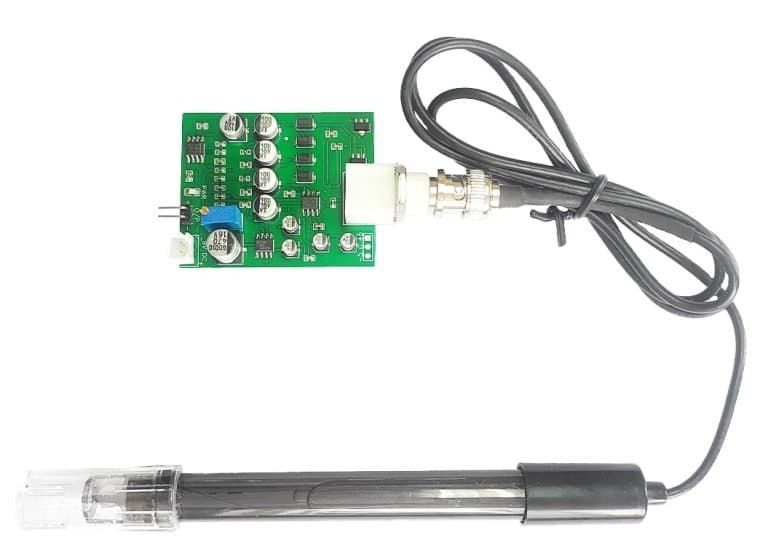
pH sensor detects the hydrogen ion concentration in liquids, providing a pH value that indicates how acidic or basic the solution is, typically on a scale from 0 to 14. It generates a voltage that varies with pH level and is interpreted by a microcontroller or monitoring system.
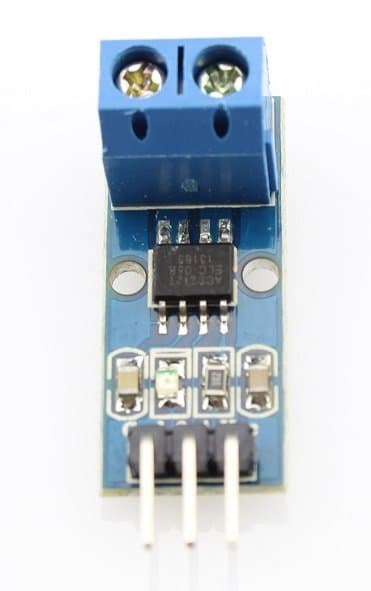
This sensor detects and converts current (AC or DC) into a proportional voltage or digital signal that can be read by a microcontroller or monitoring system. It works based on principles such as the Hall effect or shunt resistance.Current sensors are widely used in power management, battery monitoring, motor control, and energy metering applications. They help ensure safety, efficiency, and accurate current tracking in industrial systems, home automation, and IoT devices. Pinout: VCC – Connects to a 5V power supply GND – Ground connection OUT – Analog output proportional to the current
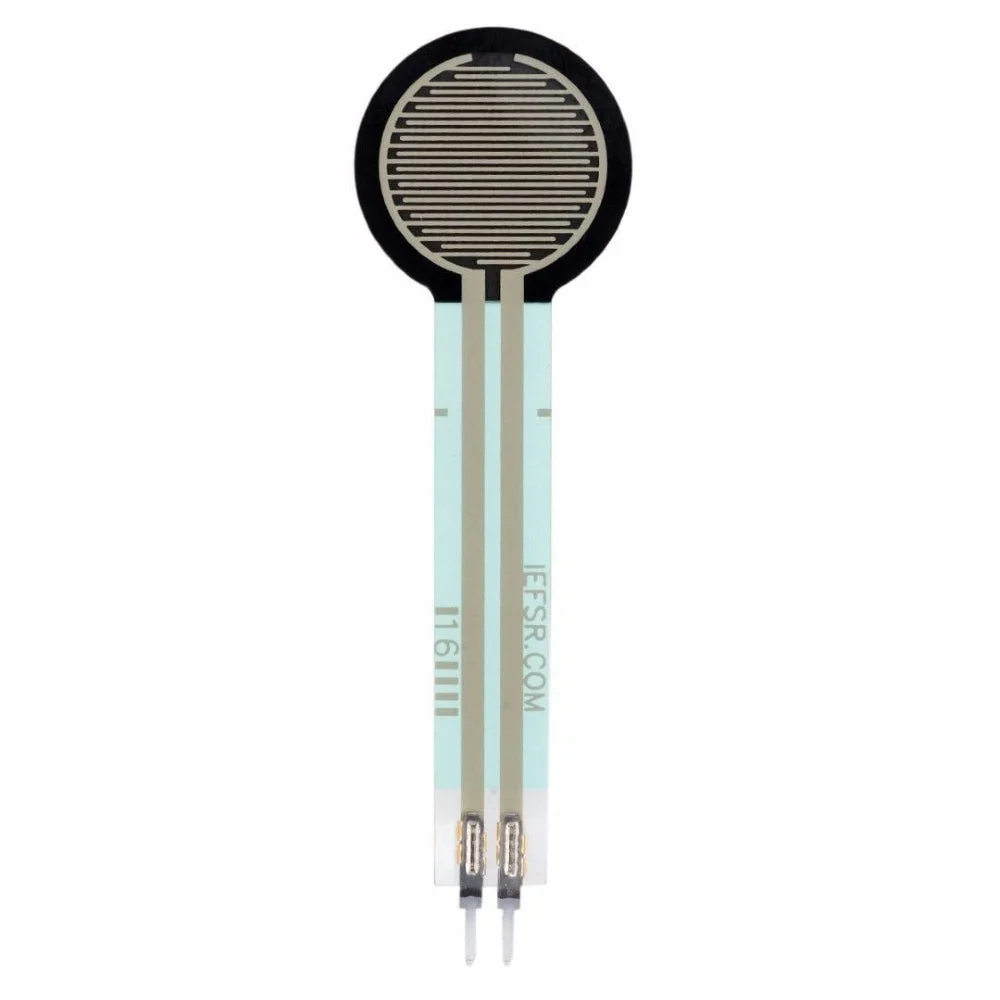
Force sensitive resistor (FSR) This sensor detects changes in resistance when pressure is applied, allowing it to quantify the amount of force exerted. The output varies with the intensity of the applied load, making it useful for dynamic force measurement. Force sensors are commonly used in robotics for grip strength monitoring, ensuring delicate yet secure handling of objects. They are also found in wearable devices, electronic drums, pressure-sensitive touchpads, and industrial automation systems.
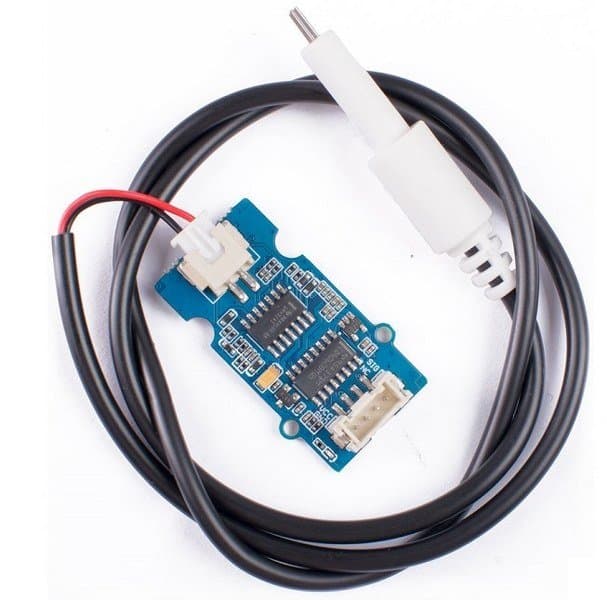
TDS (Total Dissolved Solids) sensors detect the combined content of inorganic salts and small organic substances dissolved in water, typically measured in parts per million (ppm). The sensor works by measuring the electrical conductivity of the water, which increases with higher levels of dissolved ions.
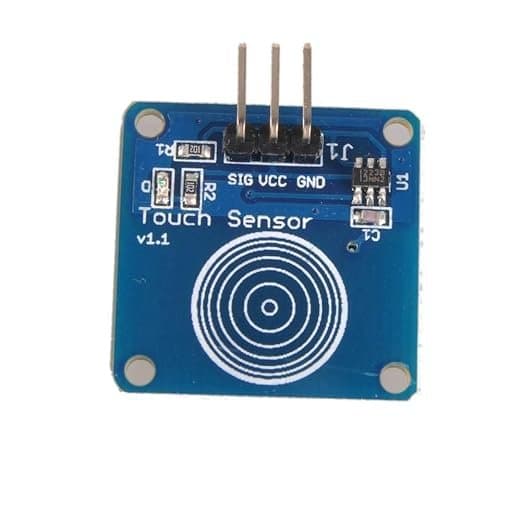
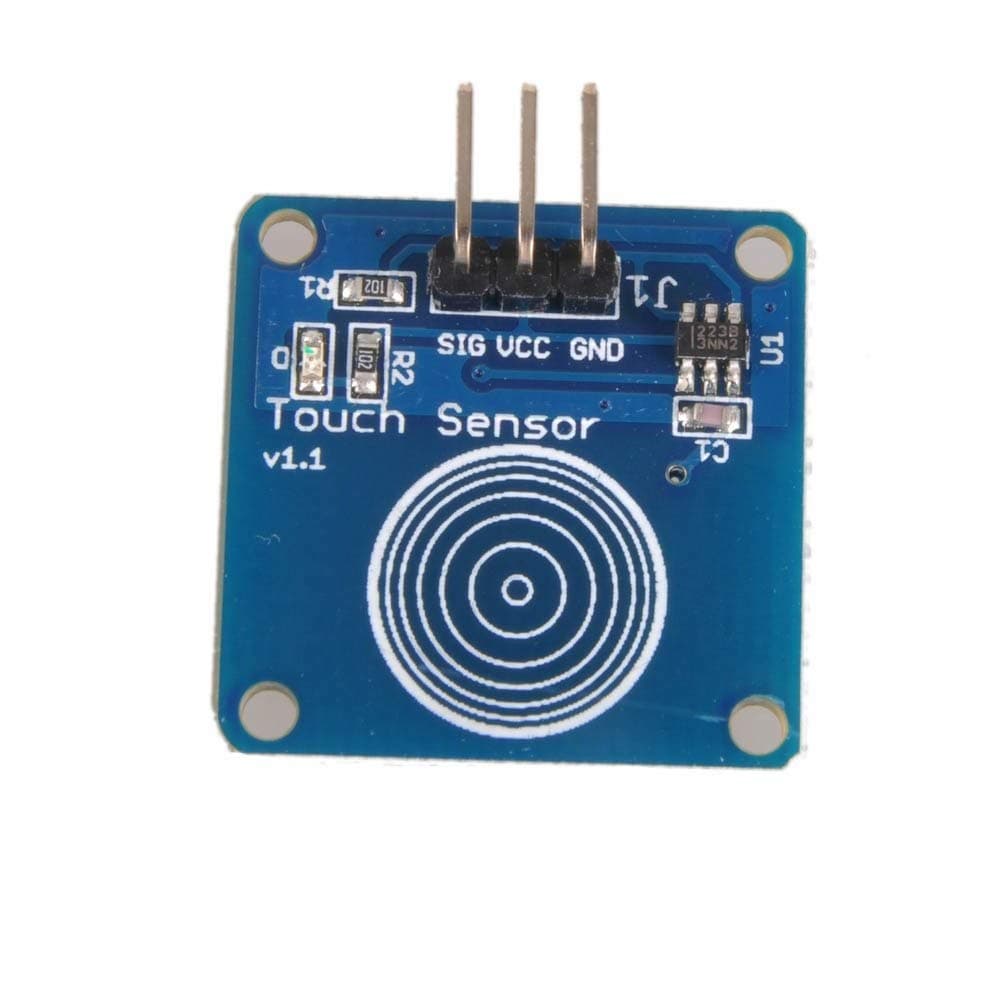
When a conductive object, like a human finger, comes near or touches the sensor surface, it alters the local electric field, causing a change in capacitance. This change is detected and interpreted as a touch input.Capacitive touch sensors are commonly used in touch-sensitive switches, keypads, interactive displays, and modern consumer electronics. They offer high sensitivity, durability, and a sleek, button-less interface, making them ideal for compact and intuitive designs.
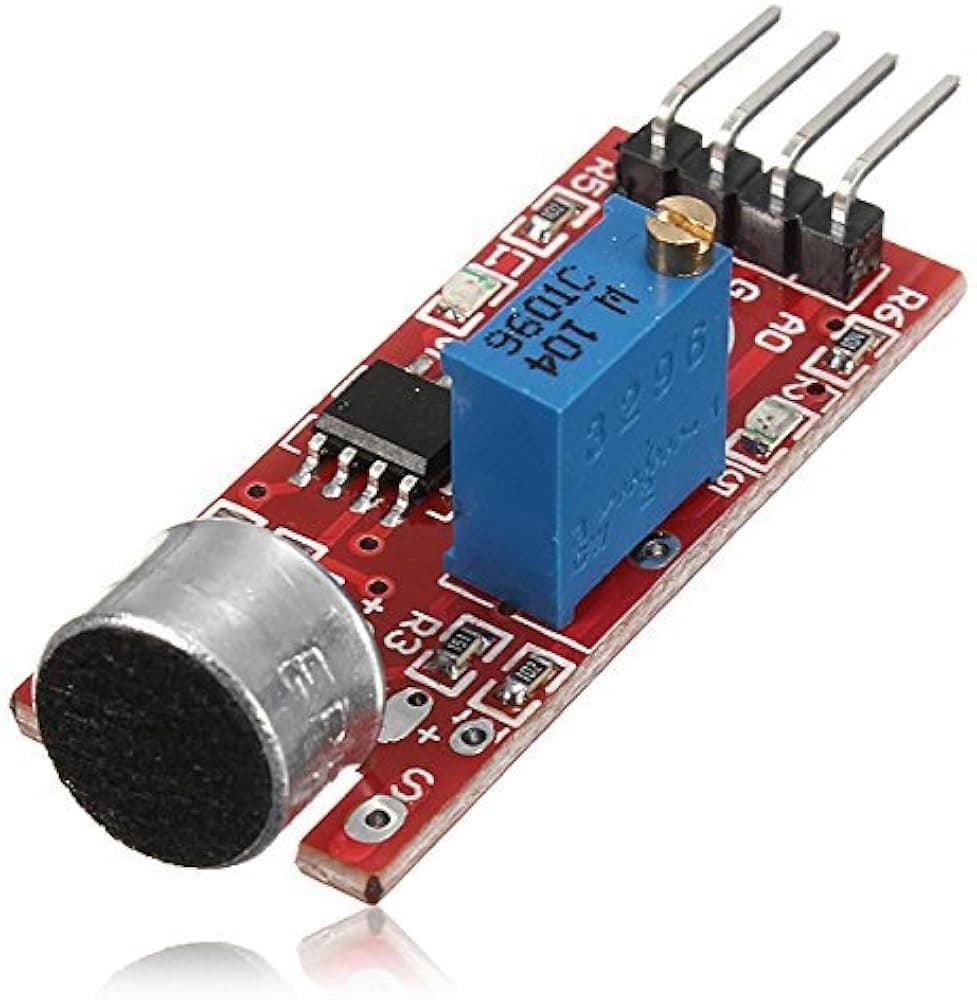
This sensor captures ambient sound and transforms it into an electrical signal that can be read by microcontrollers or audio systems. It typically uses an electret or MEMS microphone element and may include built-in amplification for enhanced sensitivity. Sound sensors are ideal for applications such as voice recognition, sound detection, audio recording, and acoustic monitoring. They are widely used in smart devices, security systems, hearing aids, and interactive electronics. Pinout: VCC – Connects to a 2.7V–5.5V power supply GND – Ground connection AO – Analog output DO – Digital output
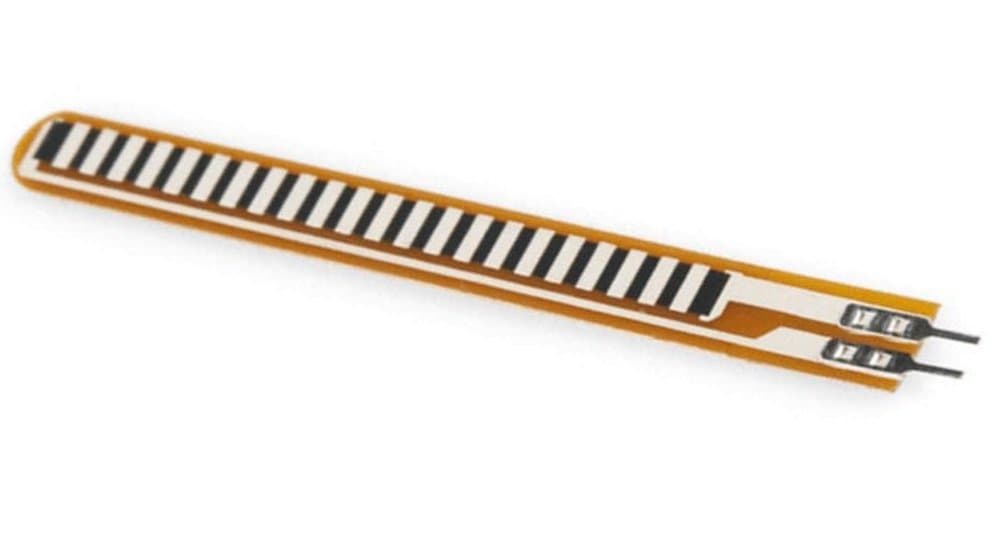
Flex sensors change resistance when bent, making them ideal for motion and gesture sensing in wearable devices. These sensors are used in applications like gloves for virtual reality or robotic control.
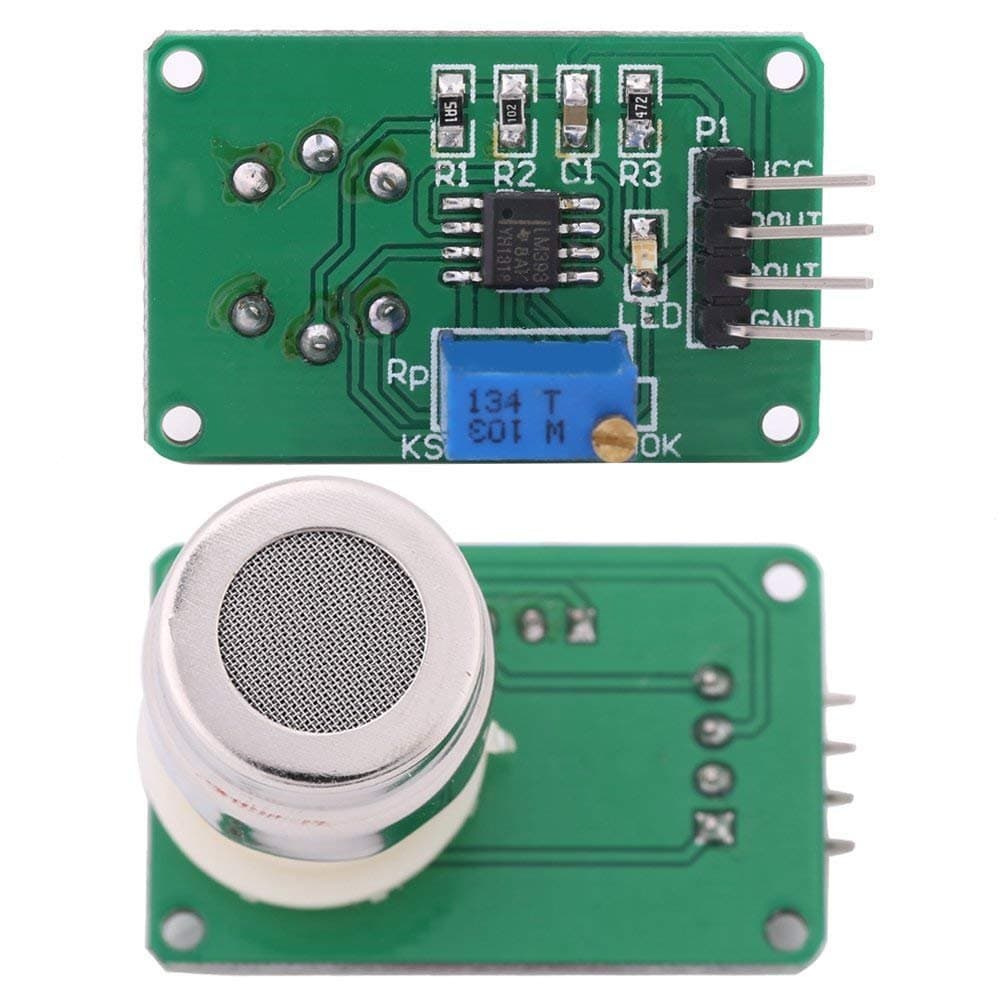
This sensor detects and quantifies the amount of CO₂ present in the environment, typically in parts per million (ppm). It uses methods such as non-dispersive infrared (NDIR) technology to provide accurate and reliable readings. MG811: Known for its high accuracy in CO2 detection, commonly used in greenhouses and HVAC systems.
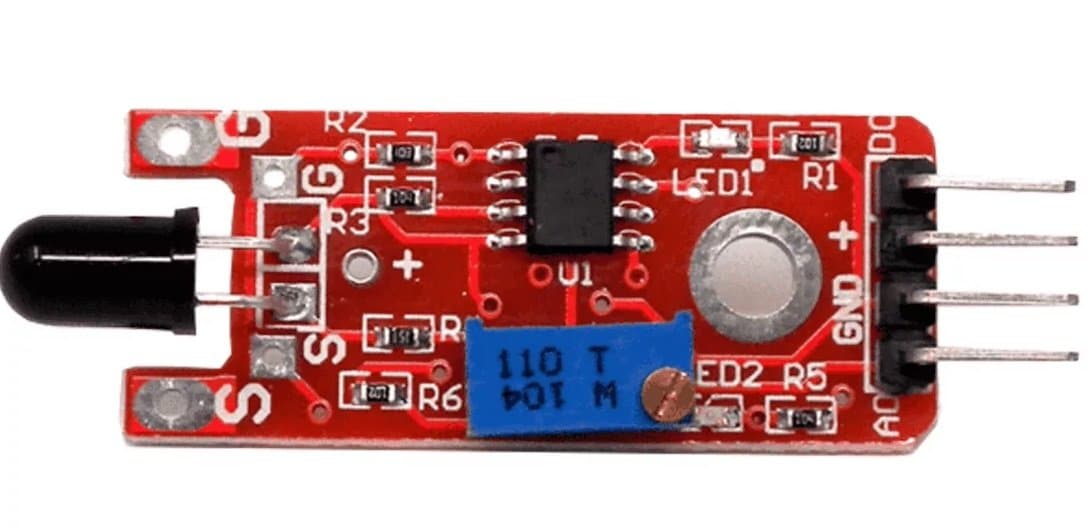
Flame sensors detect flames or fire using infrared light. They are sensitive to wavelengths between 760 nm and 1100 nm, making them suitable for fire alarm systems. KY-026 flame sensor detects flames up to 1 meter away and provides both analog and digital outputs.
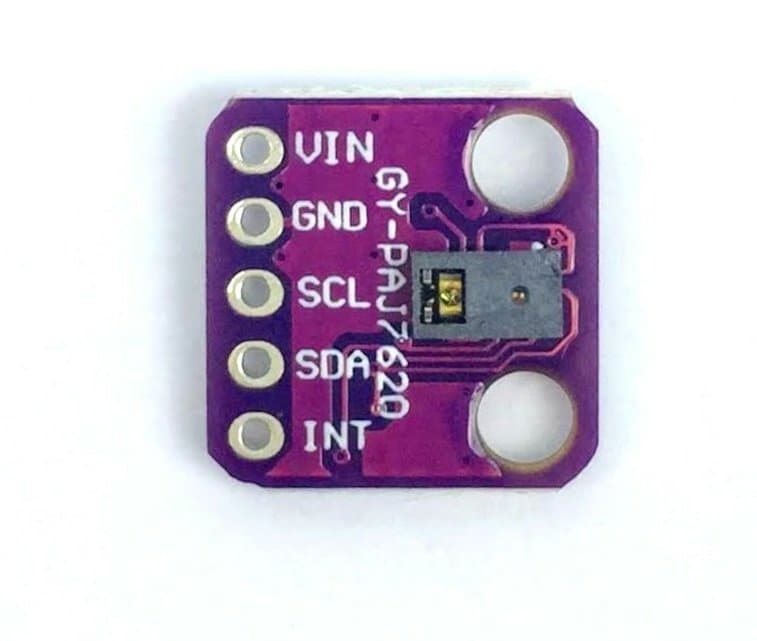
Gesture sensor track motion and position of the hand using infrared, optical, or time-of-flight technology to recognize gestures such as swipes, waves, or directional movements. The detected gestures are translated into commands, allowing intuitive, contactless interaction with electronic systems.
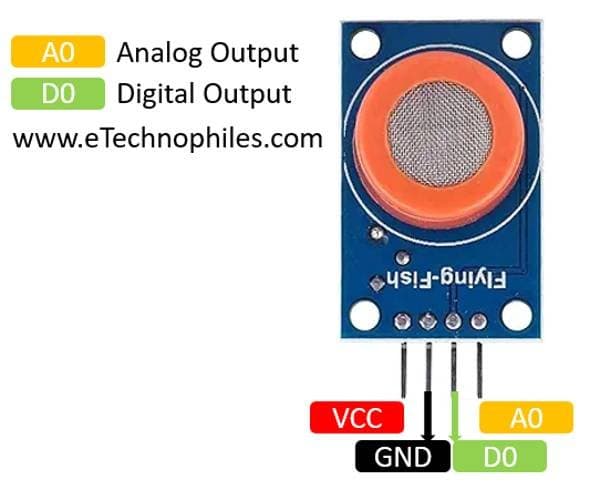
MQ-2: Measures gases like methane, LPG, and smoke. It has both analog and digital outputs for versatile use. MQ-2 gas sensor pinout Pinout: VCC – Connects to a 5V power supply GND – Ground connection AOUT – Analog signal output DOUT – Digital signal output
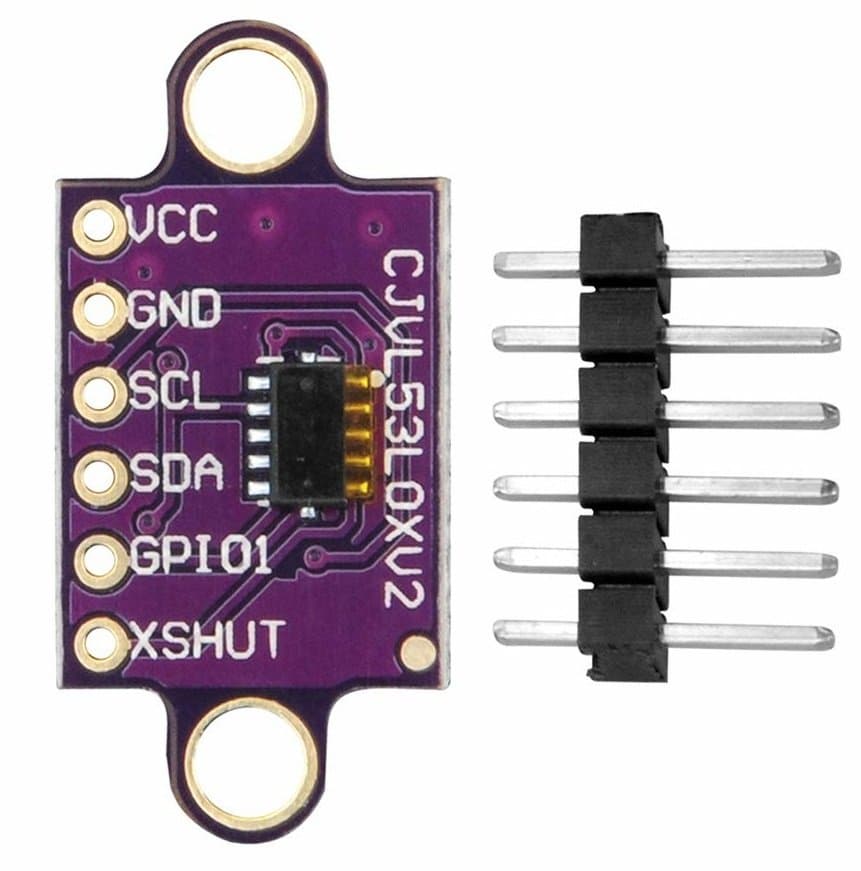
The VL53L0X is a compact laser-based distance sensor that measures distance using Time-of-Flight (ToF) technology. It calculates how long a laser pulse takes to reflect back from an object, giving accurate distance measurements.
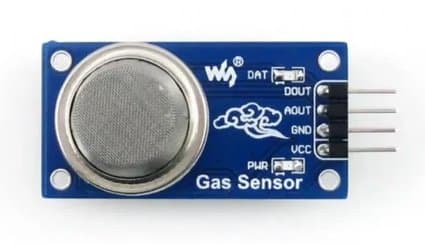
These sensors identify the presence and concentration of specific gases in the environment. They work by measuring changes in electrical resistance when gas molecules interact with a sensitive material inside the sensor. Gas sensors are widely used in safety systems, home automation, industrial monitoring, and environmental sensing. Common applications include gas leak detectors, air quality monitors, and smoke alarms. Different models are calibrated for specific gases like methane (CH₄), propane (C₃H₈), carbon monoxide (CO), and more.
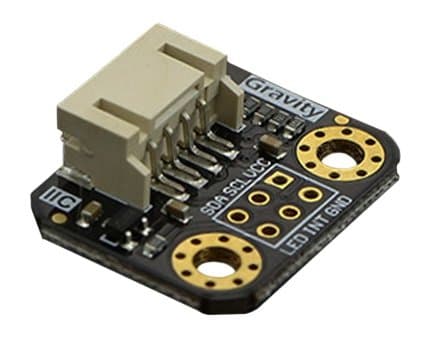
The TCS34725 RGB Color Sensor is a high-accuracy digital sensor used to detect colors (Red, Green, Blue) and light intensity. It comes with an IR filter and white LED, making it more accurate than basic color sensors. It is widely used with Arduino, ESP32, and Raspberry Pi.
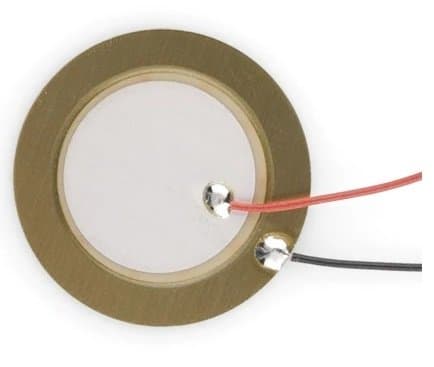
Piezoelectric sensors use piezoelectric materials to convert pressure into an electrical signal. These sensors are often used in medical equipment like ventilators. Pinout: They have two terminals: Positive terminal in Red color Negative terminal in Black color
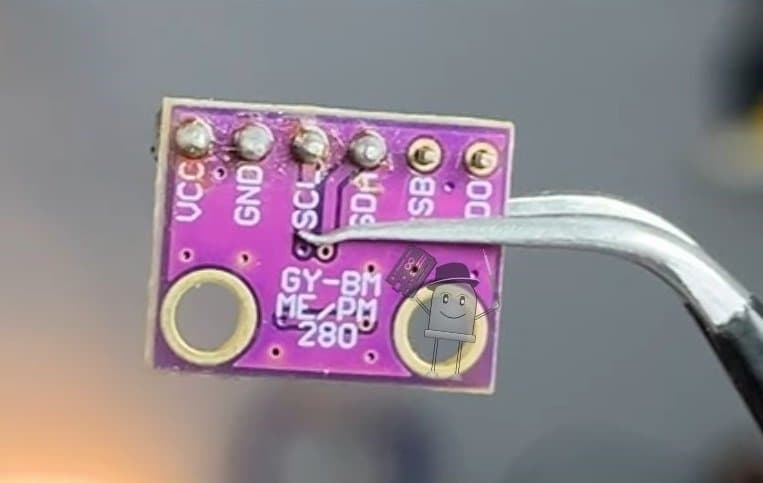
Barometric sensors measure atmospheric pressure, often used for weather monitoring and altitude detection. BME280 is a digital sensor with high precision, capable of measuring both pressure and temperature. It communicates via I2C or SPI. Pinout: BME280 sensor module pinout VCC – Power Supply GND – Ground SCL – Serial Clock Line SDA – Serial Data Line CSB – Chip Select (used for SPI; keep HIGH for I2C) SDO – I2C Address Selection
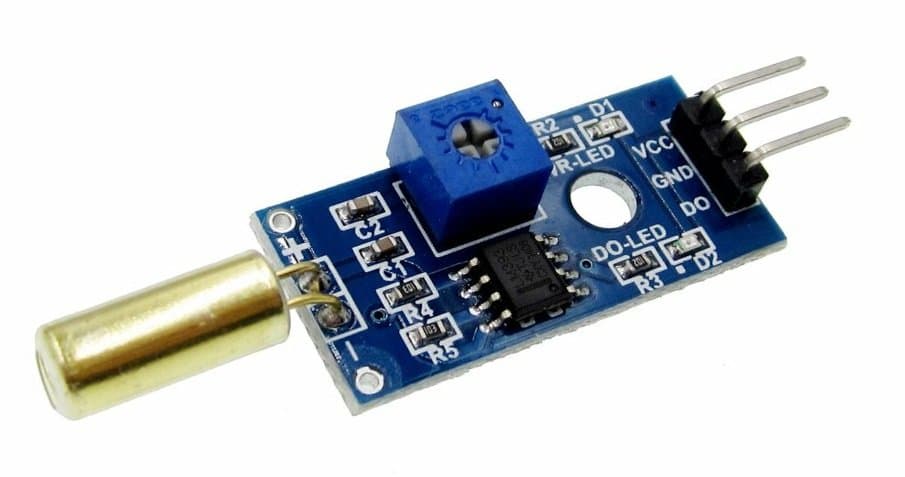
The SW-520D tilt sensor module is a small electronic device used to detect tilt or movement (vibration). It gives a digital output (ON/OFF signal) when the position changes.
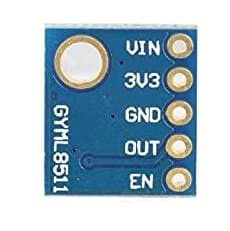
The ML8511 UV Sensor Module is an analog sensor used to measure ultraviolet (UV) radiation intensity from sunlight. It is commonly used with Arduino, ESP32, and other microcontrollers for environmental monitoring and UV detection projects.
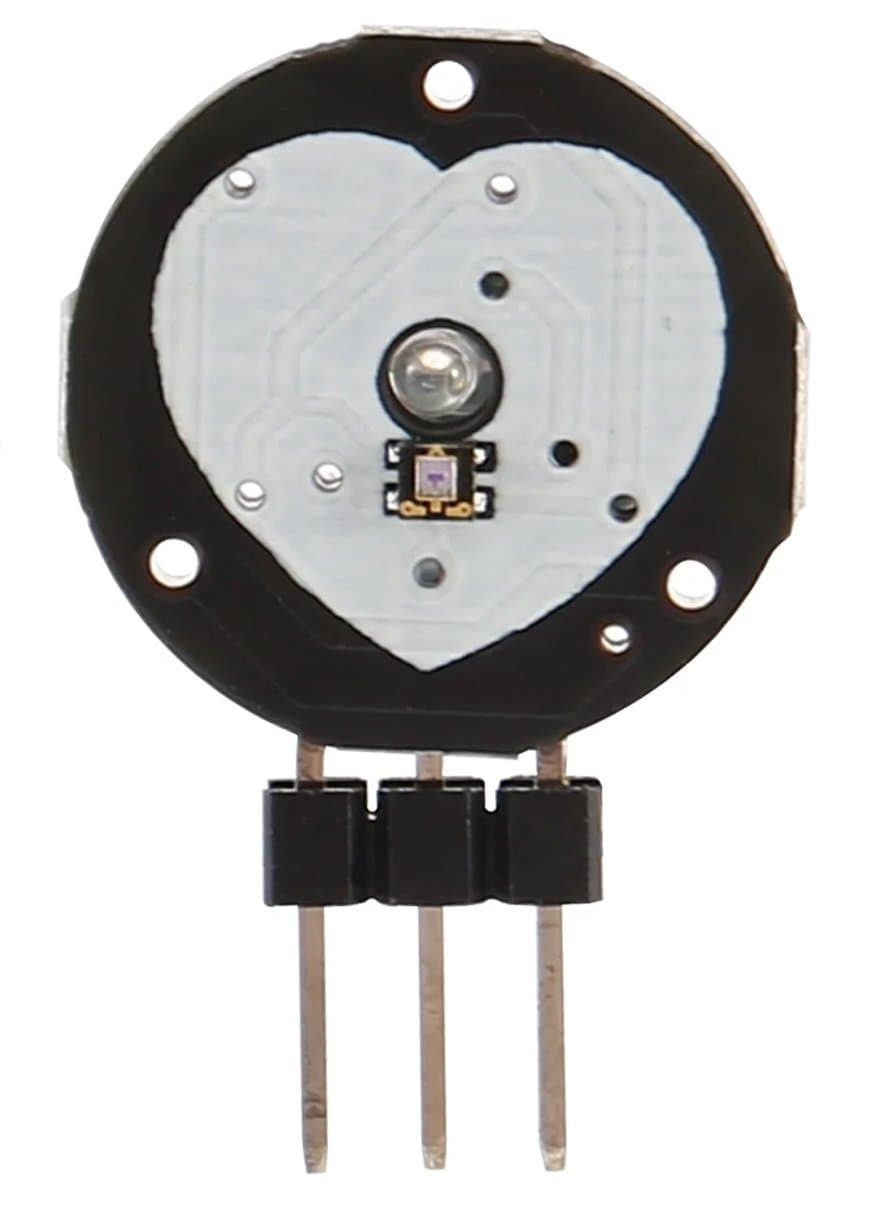
A Pulse Sensor (also called a Heartbeat Sensor) is a simple and low-cost device used to measure heart rate (BPM). It works with Arduino, ESP32, and other microcontrollers, making it ideal for beginner biomedical and IoT projects.
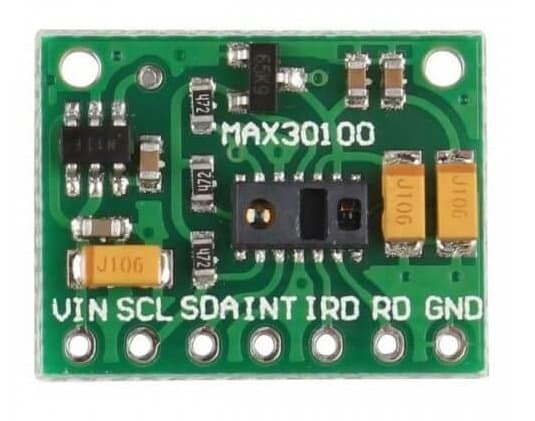
The MAX30100 is a compact biometric sensor module used to measure heart rate (BPM) and blood oxygen level (SpO₂). It combines red + infrared LEDs and a photodetector to analyze blood flow through the fingertip.
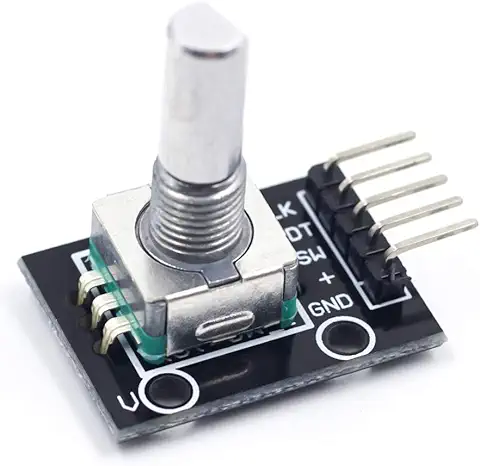
Model type : KY-040 | Operating voltage : 3V to 5V | Type : Incremental encoder | Cycles per revolution : 20 | Built-in 10K resistor 360° rotary encoder for precise position and rotation detection | Compatible with Arduino, Raspberry Pi & other development boards | Built-in push button switch (press function included) Easy 5-pin connection: VCC, GND, CLK, DT, SW | Compact brick module – easy to mount and integrate | Great for DIY electronics & STEM learning projects Ideal for menu navigation & user interface control | Perfect for volume control & parameter adjustment | Suitable for robotics & embedded systems projects Report an issue with this product
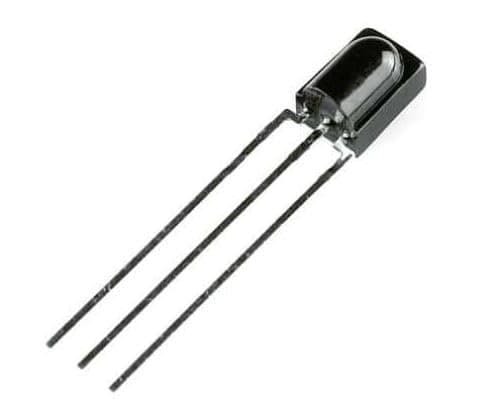
An IR Receiver Sensor (Infrared Receiver) is an electronic component used to receive infrared signals from devices like remote controls. It is commonly used with Arduino, ESP32, and other microcontrollers for wireless control applications.
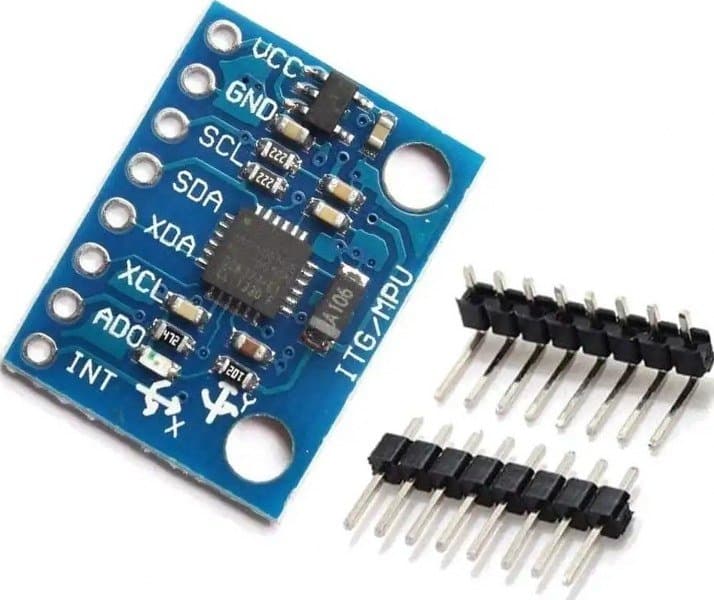
MPU6050 Sensor – Measures angular velocity and acceleration. This module combines a 3-axis gyroscope and a 3-axis accelerometer in a single chip, making it ideal for applications that require motion sensing, orientation detection, gesture recognition, and inertial measurement. The MPU6050 communicates via the I2C protocol and is commonly used in robotics, drones, and wearable devices for precise tracking of movement and rotation in 3D space. VCC – Power Supply (+3.3V to 5V) GND – Ground SCL – Serial Clock Line (I2C) SDA – Serial Data Line (I2C) XDA – Auxiliary Serial Data (for external sensor) XCL – Auxiliary Serial Clock (for external sensor) ADO – I2C Address Selection INT – Interrupt Output
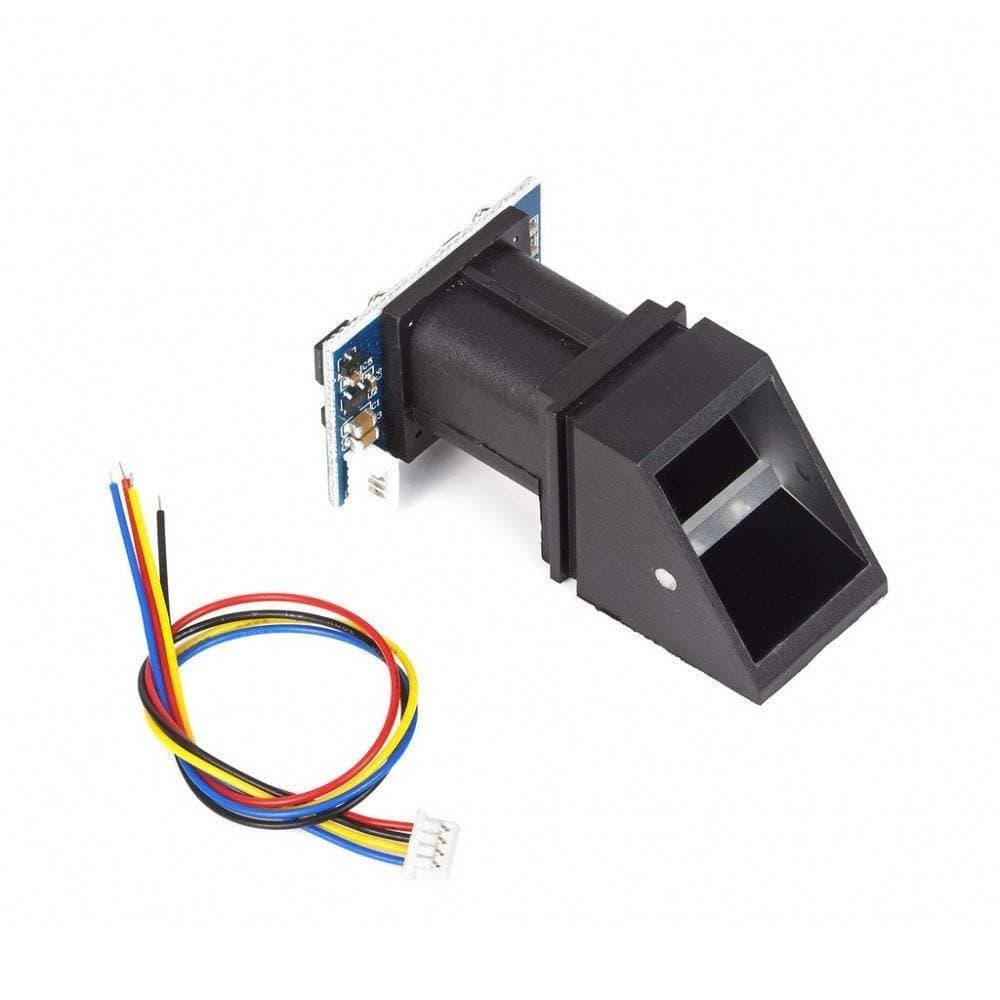
A Fingerprint Sensor Module is a biometric device used to capture, store, and match fingerprints for authentication. It is widely used with microcontrollers such as Arduino, ESP32, and Raspberry Pi for secure access systems.
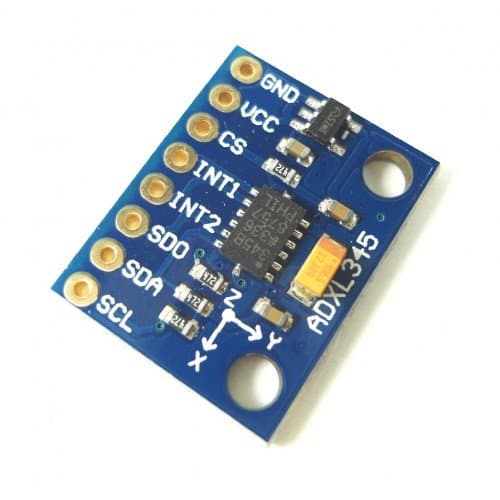
ADXL345 is a 3-axis digital accelerometer that measures acceleration along the X, Y, and Z axes. It provides high-resolution (13-bit) output data via I2C or SPI interface. Commonly used in motion detection, orientation sensing, tilt measurement, and vibration monitoring applications. Pinout: VCC – Power Supply GND – Ground SCL – Serial Clock (for I2C or SPI) SDA – Serial Data (for I2C) SDO – SPI Data Output / I2C Address Selection CS – Chip Select (for SPI) INT1 – Interrupt 1 Output INT2 – Interrupt 2 Output
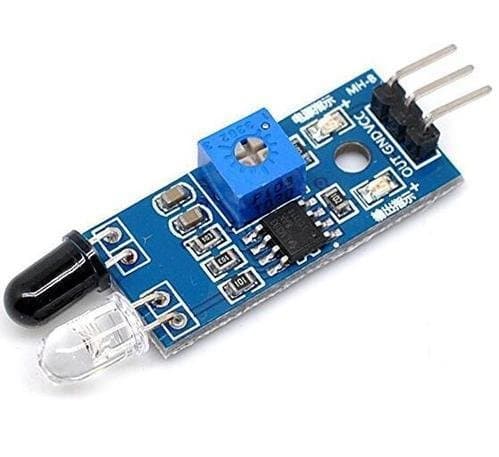
Obstacle detection sensors identify physical barriers in a device’s path. They are widely used in robotics and autonomous systems. These sensors use infrared light to detect obstacles and are widely used in line-following and obstacle-avoiding robots. Pinout: IR obstacle avoidance sensor pinout VCC – Connects to a 3.3V or 5V power supply GND – Ground connection OUT – Digital signal output
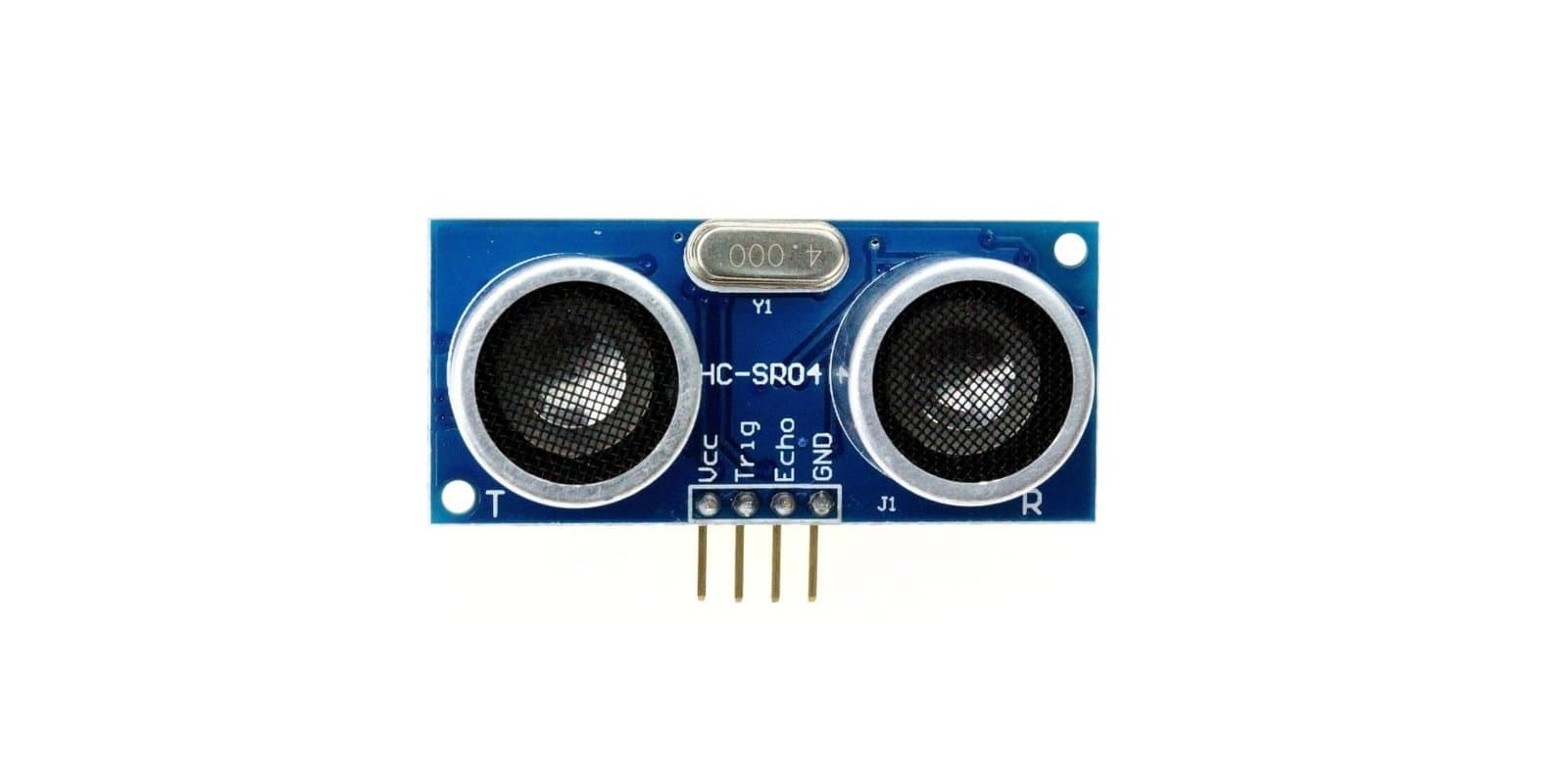
Ultrasonic sensors emits high-frequency sound waves and measures the time it takes for the echo to return after bouncing off an object. By calculating the time delay, it accurately determines the distance between the sensor and the object. HC-SR04: Measures distances from 2 cm to 400 cm with an accuracy of ±3 mm. Widely used in obstacle avoidance systems. Pinout: VCC – Connects to a 5V power supply Trig – Trigger pin for sending ultrasonic pulses Echo – Outputs a pulse proportional to the distance GND – Ground connection
The L298N Dual Motor Driver Module is a high-power motor control board designed to drive DC motors and stepper motors using microcontrollers like Arduino, ESP32, and Raspberry Pi. It acts as a bridge between low-power control signals and high-power motors, ensuring safe and efficient operation.
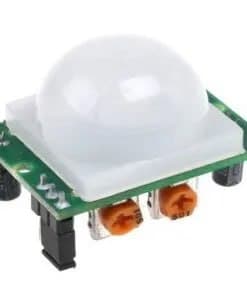
HC-SR501 Adjust Ir Pyroelectric Infrared PIR Motion Sensor Modules
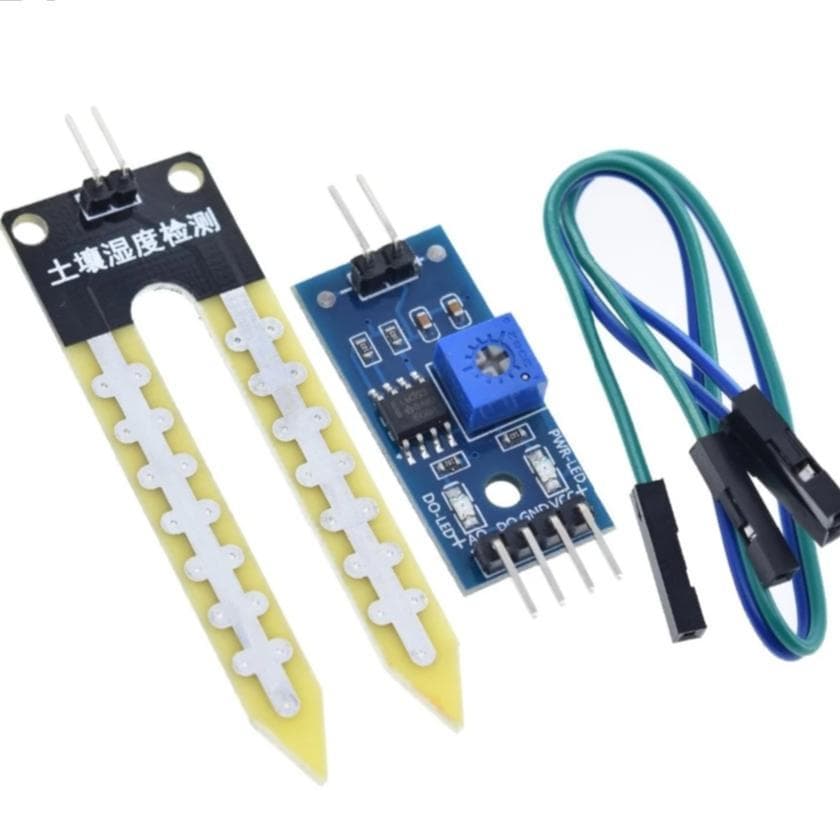
Operating voltage: 3.3V to 5V Dual output mode for more accurate readings Fixed bolt hole for easy installation Power indicator (red) and digital output indicator (green) Highly sensitive for detecting soil moisture Features LM393 comparator chip for stability Digital output (D0) connects directly to MCU for moisture detection
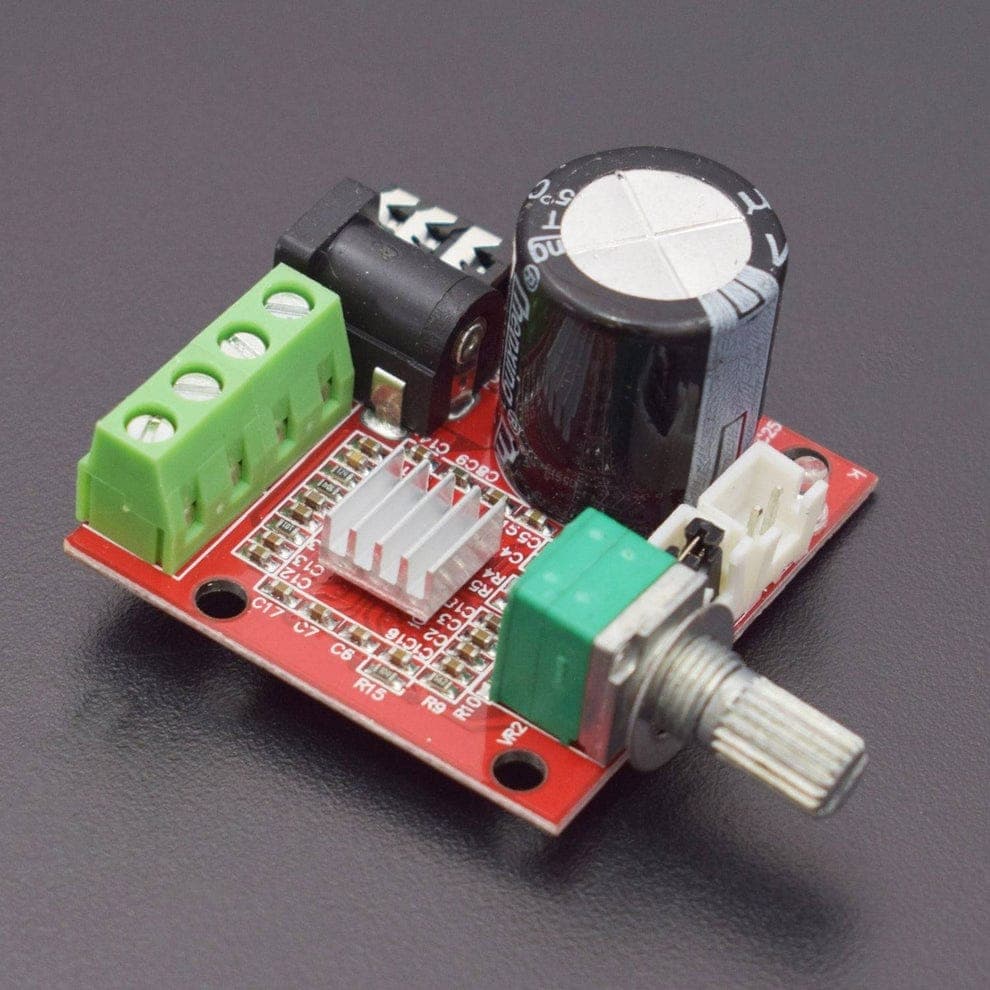
12 Volt Amplifier Board, PAM8610 Mini Stereo AMP 2 x 10W Digital Audio Amplify Circuit Class D- RS1217
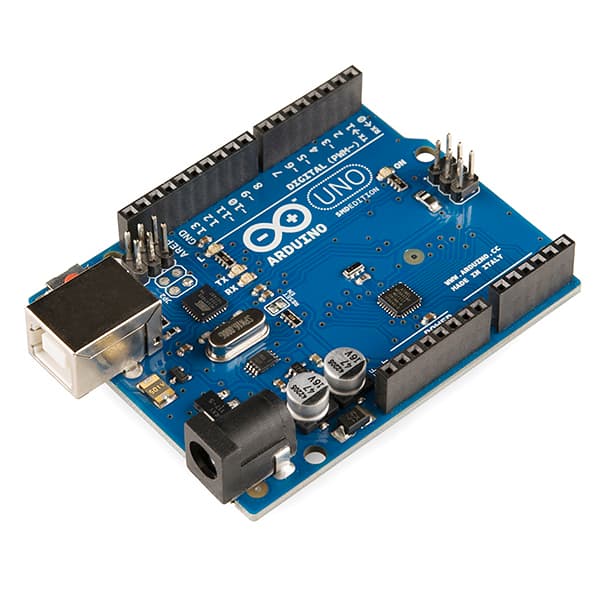
The Arduino Uno is a series of open-source microcontroller boards
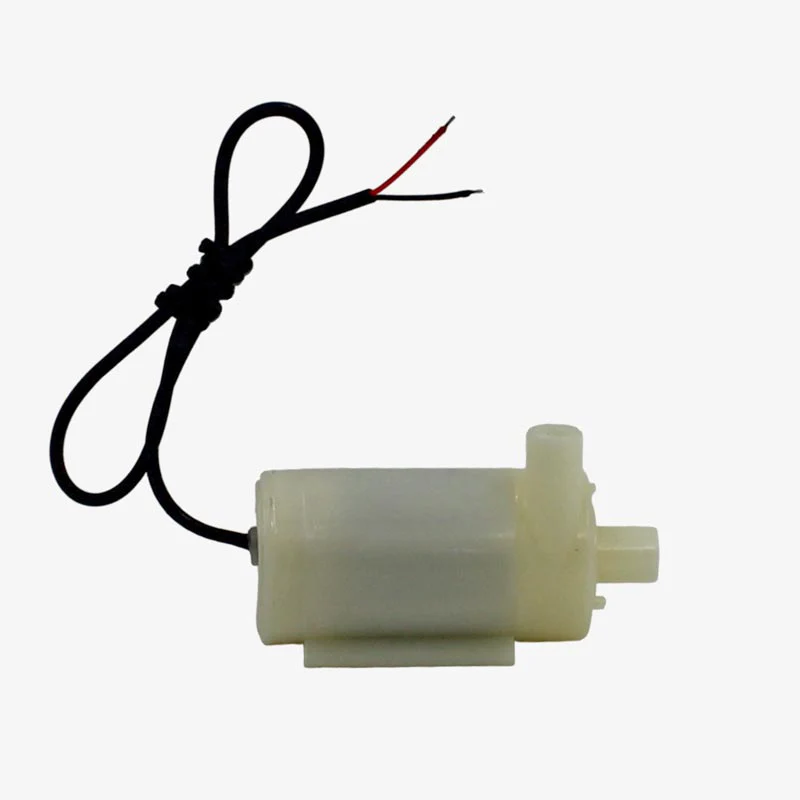
PMW - DC 3-6V Double Nozzle Submersible Mini Motor Water Pump for DIY Projects, Mini Water Falls, Fish Tank and Automatic Hand Sanitizer Dispenser 52X23mm - Pack of 1